Hyundai and Genesis used its 2026 Investor Day to highlight plenty of upcoming products, many of which are electrified. In addition to the Ioniq 3 for Europe, the latest Elantra, and the flagship Genesis GV90, Hyundai has plenty of new vehicles on the way. It confirmed the imminent arrival of the next-generation Tucson compact SUV in the fourth quarter and new small SUVs for various markets.
The big news are the EREVs, or extended-range electric vehicles. These are series plug-in hybrids that operate mainly as EVs and have a gas engine generator that charges the battery as needed. Hyundai confirmed the Santa Fe as its first EREV arriving in early 2027. Most importantly, it will build it in the United States at its Alabama manufacturing facility. Additionally, the Korean automaker touted a 600-mile combined driving range for the Santa Fe EREV. By 2030, Hyundai’s lineup will feature over 10 hybrid models produced in Alabama and at the Georgia Metaplant.
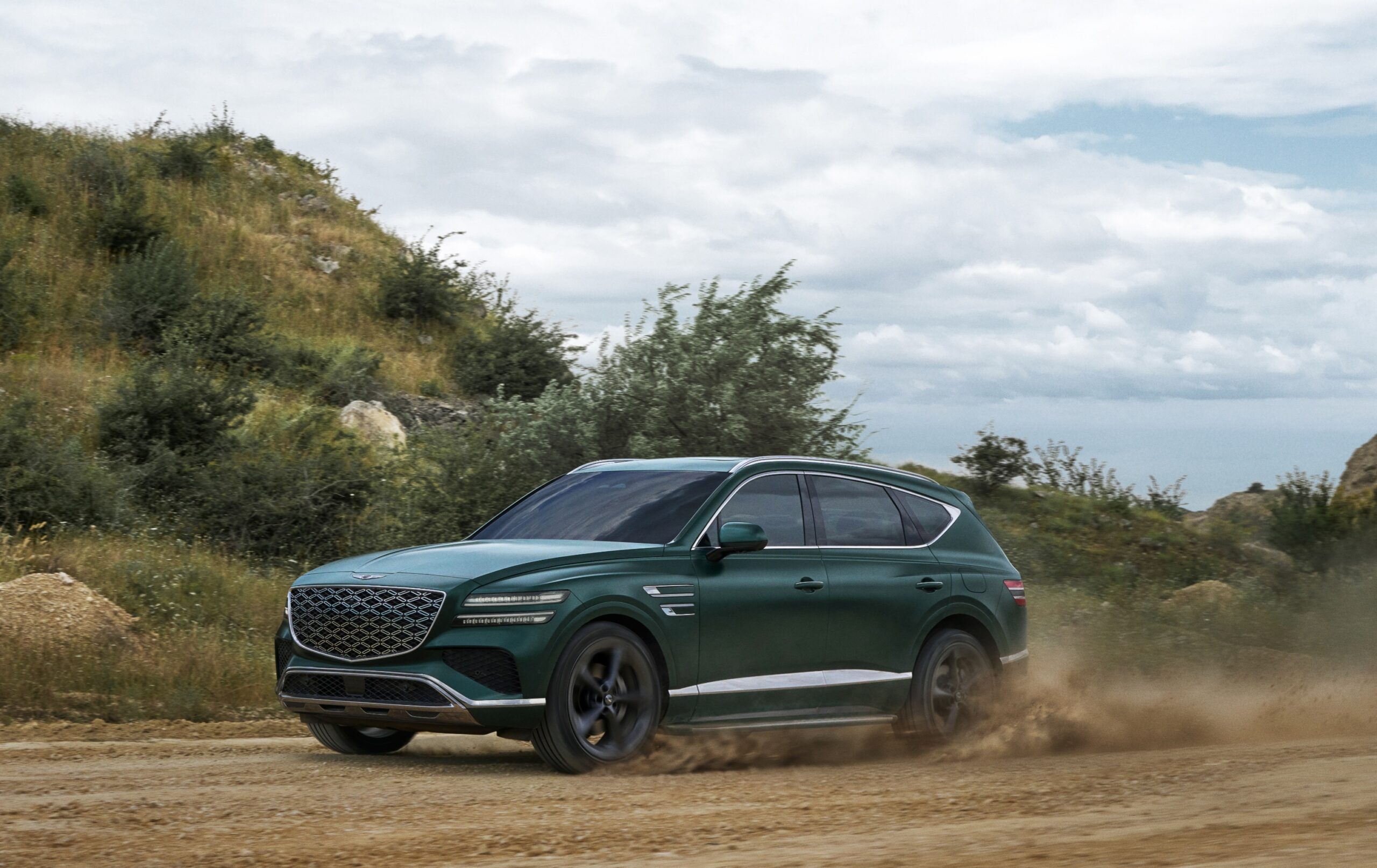
Meanwhile, Genesis announced an EREV model debuting in early 2027 with a combined driving range of around 640 miles. That joins the all-electric GV90 flagship and the new GV80 Hybrid. The Genesis brand also intends to launch in more markets, including Spain, Italy, and France.
Hyundai Goes Beyond Cars
In addition to new models, Hyundai is deeping its partnerships and commitments to other ventures. These include AI and robotics, the latter of which is through Boston Dynamics. It aims to deploy an industrial humanoid robot called Atlas in 2028 at the Georgia Metaplant. On the other hand, Hyundai’s commitment to software-defined vehicles with its new Pleos Connect interface. This features the AI agent called Gleo AI, which uses data acquired from vehicles to develop new features and enhance existing ones through over-the-air updates. The Korean automaker also cemented its commitment to autonomous driving through its strategic partnership with NVIDIA.
Hyundai Motor Group has also began developing battery cells in-house. These deliver more than double the output of high-nickel cells used previously. Additionally, charging time is reduced by 40 percent. EREVs will be the first vehicles to use the in-house battery cells. Next year, Hyundai will launch mid-nickel NCM cells for battery-electric models. These cut battery cost by 30 percent while maintaining optimum performance in real world driving conditions. It will also enhance its cloud-based battery management system to extend battery life by an average of 20 percent by 2028.
Source: Hyundai