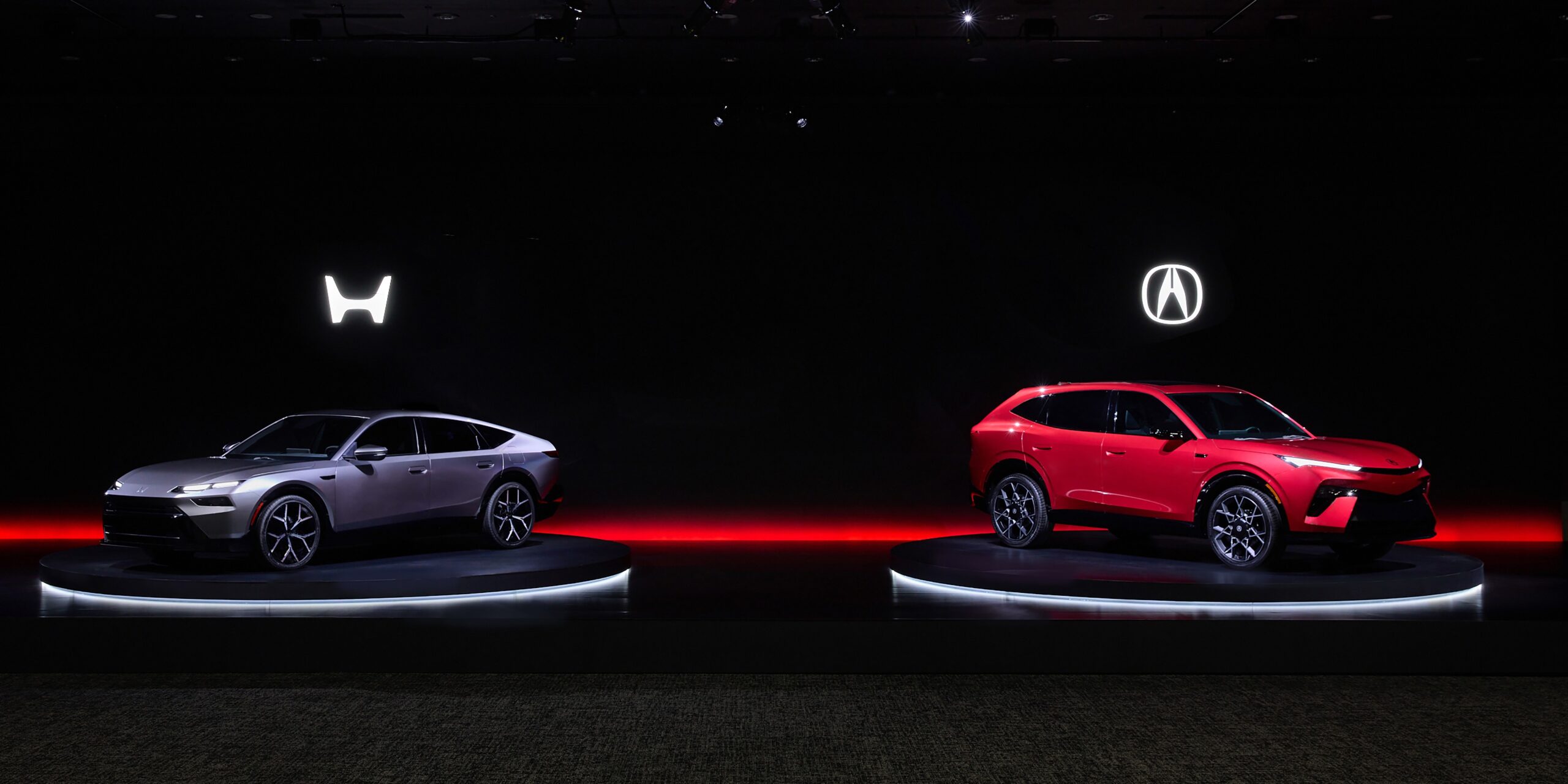
During its press briefing earlier this week, Honda revealed its roadmap to rebuild its auto business. The company aims to ensure that all of its North American plants can produce hybrids. On the other hand, it will convert part of its EV battery production lines and its joint venture factory with LG Energy Solution to produce hybrid batteries. This also includes introducing 15 new hybrid vehicles split between the Honda and Acura brands. Many of those are for the North American market.
The first two hybrid models were previewed by near-production examples. The first is Acura’s SUV prototype, which clearly looks like the next-generation RDX. It features a similar profile to the current model, but smoother and cleaner. The front end looks identical to the all-electric RSX, which was killed off earlier this year, right as it was about to debut and start production. Joining it was the Honda Hybrid Sedan Prototype, which has an incredibly futuristic look reminiscent of the 0 Series sedan that never made it to production. It features plenty of sharp angles and a wedge profile that looks unconventional, but also evokes the first-generation Accord Crosstour and Acura ZDX. Meanwhile, the front end looks eerily similar to the Lamborghini Urus, which isn’t necessarily a bad thing!
As part of its strategic reallocation of resources, Honda intends to put more resources towards hybrids, all while reducing their cost by 30 percent compared to the existing system introduced in 2023. The first of these new hybrid models launches in 2027. They feature a new hybrid system and platform. The former also improves fuel economy by 10 percent, and will debut alongside a new electric AWD system. Additionally, an upgraded driver assistance suite arrives in 2028.

What About EVs, Honda?
Even though it throttled back its battery-electric vehicle programs, Honda will continue the in-house development of the technology. This allows it to respond to demand when it arises by providing the necessary groundwork for introducing competitive EVs. For the moment, the company will assess the demand by region. Additionally, it intends to expand its EV lineup in other markets, specifically in Japan’s kei car segment with vehicles like the N-BOX. As for the rest of the world, it appears Honda will continue to rely on partnerships with other companies to produce EVs instead of building them in-house.
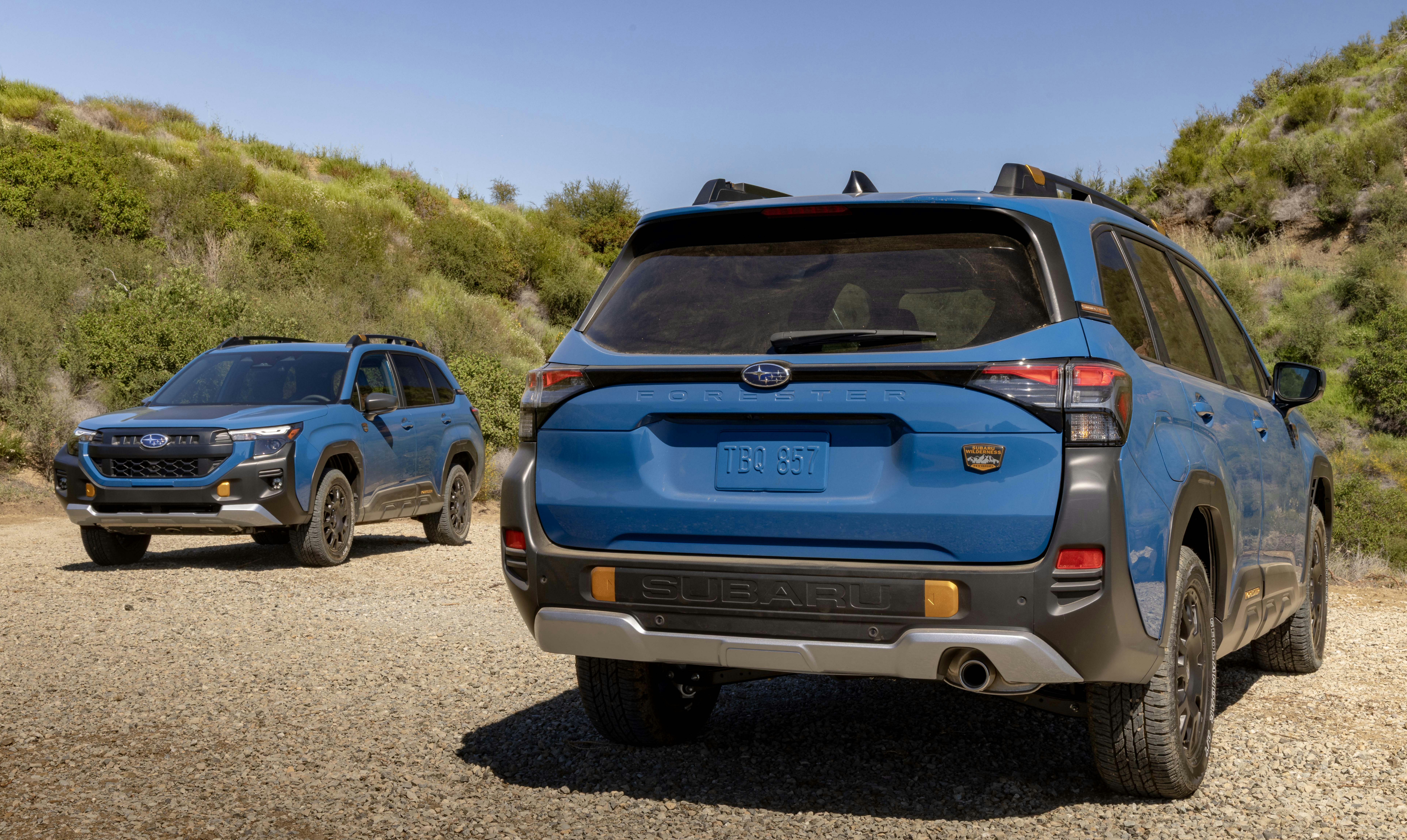
After looking at the summary of Honda’s press briefing, the addition of new hybrid models is promising. However, it somehow feels short-sighted. How? The lack of EVs could prove harmful, especially now with heightened uncertainty regarding fuel prices. Additionally, it also means they’re not learning as quickly as other brands are when it comes to developing their EVs. Toyota and Subaru are good examples. They learned quickly after seeing what their owners want out of their EVs. Now, they have a lineup of compelling models that are worlds better than the original bZ4X and Solterra. Most importantly, they made big improvements in a span of roughly three years, and they’re not stopping.
With Honda’s massive EV backtrack, they’re now way behind. Will they recover? That remains to be seen. We hope they do and that their continued in-house EV tech development allows them to catch up. Eventually.
Source: Honda

One thought on “Honda Announces 15 New Hybrid Vehicles”
Comments are closed.