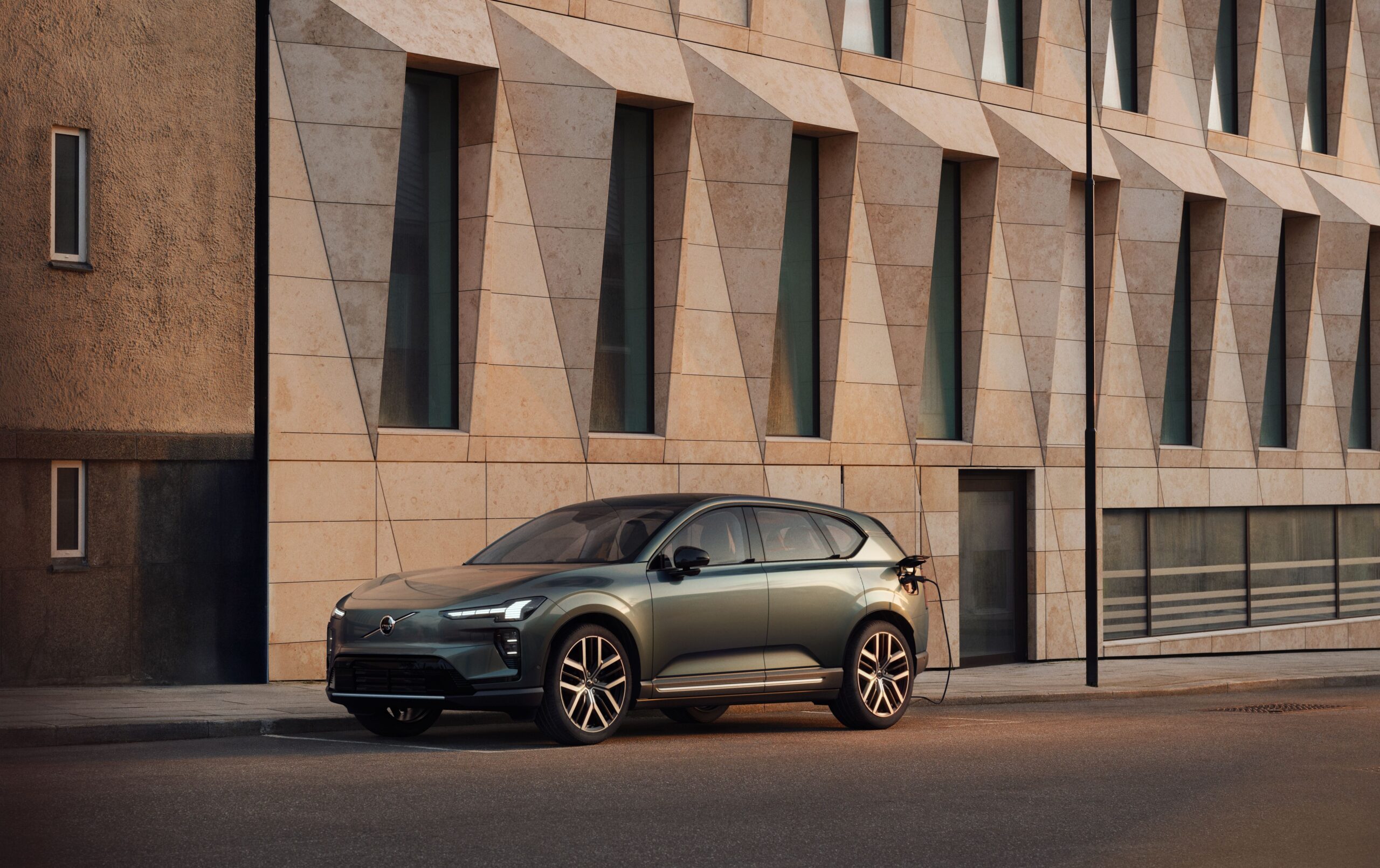
When the 2027 Volvo EX60 made its global debut, it instantly became a huge deal. This wasn’t just some new battery-electric vehicle aimed at the Tesla Model Y. Oh no. It came packing so much more. The EX60 brings with it new technologies and a focus on software. The SUV also introduces new manufacturing methods and the multi-adaptive safety belt. In short, the EX60 is the future. However, it doesn’t just preview Volvo’s future. It also gives us a glimpse of another Swedish brand’s future, Polestar.
With the EX60, Volvo doubles down on innovation across the board. Mega casting replaces hundreds of smaller parts with larger components, reducing material, time, and cost. Its powertrain is designed for maximum efficiency. The cell-to-body construction improves energy density by 20% while reducing mass and resources.
Thanks to the SPA3 platform, the EX60 improves in every aspect, including aero, thermal, and propulsion efficiency. It also has the lowest carbon footprint of any Volvo to date, thanks to its extensive use of recycled materials. Simply put, this EV is all about efficiency. That’s its trump card. That’s how it manages to achieve 400 miles of driving range on P12 models with the 20-inch wheels.
Under the skin, the EX60 combines the best in-house technologies with those of its partners. The HuginCore system couples Volvo’s own hardware and software with components from Google, NVIDIA, and Qualcomm Technologies. The result? A car that’s smarter than ever. A truly software-defined vehicle that improves over time through over-the-air software updates. All of these changes show that Volvo remains committed to EVs. It’s taking learnings from its previous models and applying them to new vehicles like the EX60.

Volvo EX60: Just the Start
The EX60 is the first vehicle on the SPA3 platform, but it’s not the last. The smaller EX40 and the upcoming Polestar 7 will use this architecture, benefitting from the same technologies in the EX60. That alone makes these two upcoming vehicles potential game changers. Quick charging, smart software, and bonkers performance could push both Swedish brands to the front of the pack. Both have already confirmed that Polestar 7 will be produced at Volvo’s new plant in Kosice, Slovakia. Additionally, Volvo also confirmed that it will share technologies with two of its models, including the EX60.
This alone confirms that the Polestar 7 rides on the SPA3 architecture. Most importantly, it also benefits from the manufacturing, software, and performance advancements introduced by the EX60. Volvo and Polestar need this, especially after the rocky launch of the EX90 and Polestar 3, models touted as the first software-defined vehicles from European automakers. The Polestar 4 helped them recover from this, as did the processor upgrades to the 2025 EX90 and Polestar 3. With the EX60, Volvo is poised to move on and show that it and Polestar have learned from their previous models.
With these new processes and technologies, both brands can build vehicles that can compete with the best of them. It’s also proof that they’re learning quickly and adapting by staying agile. As a result, Volvo and Polestar have a leg up against most of the competition. Through collaboration and technology sharing, they can better address the market and develop cars that fit their respective identities. The EX60 showed us the next step for Volvo. It’s only a matter of time until we see Polestar follow suit with its lineup of new models. We can’t wait to see what both brands bring to the table through their continued partnership.
One thought on “Volvo EX60: The Future of Scandinavian Luxury”
Comments are closed.