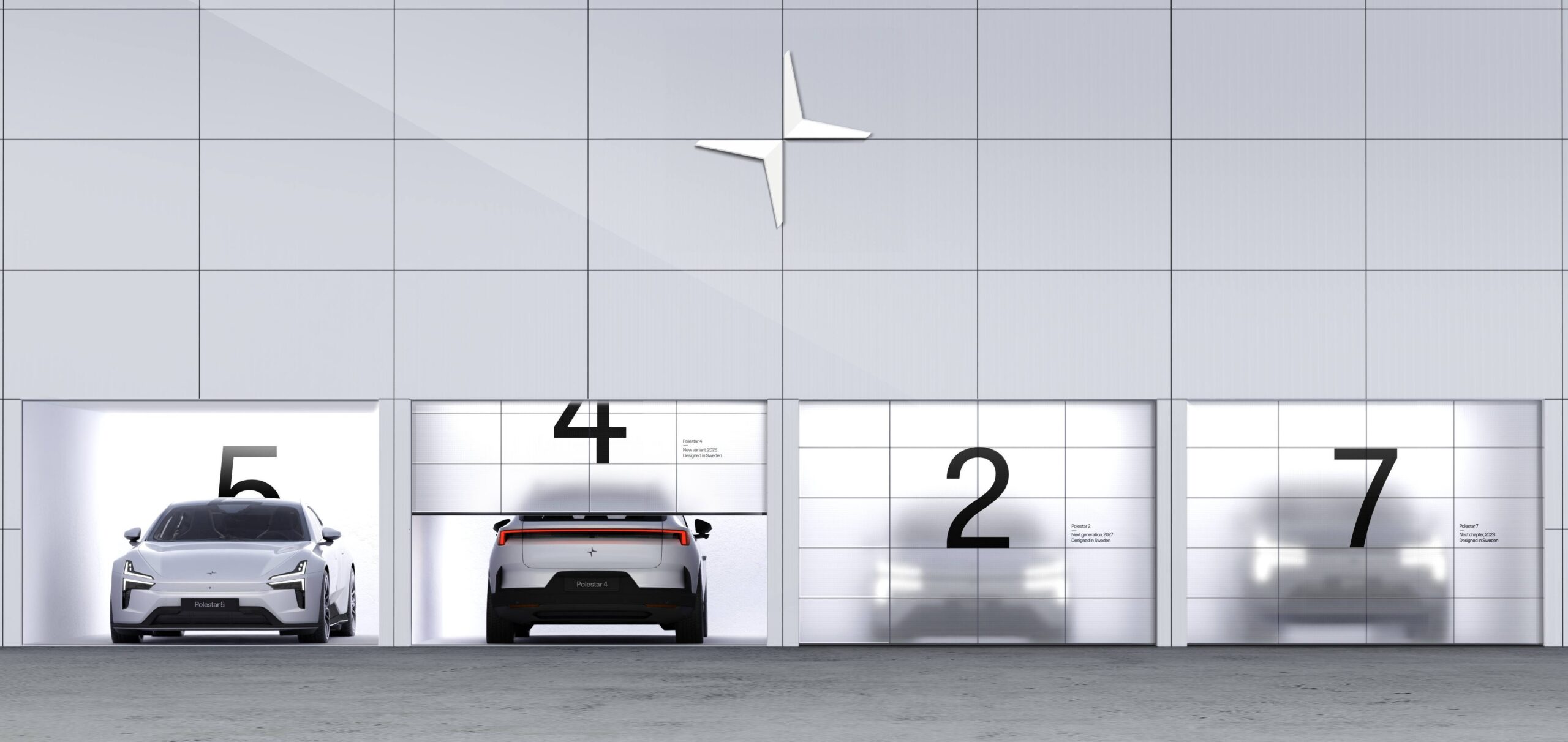
Polestar is at a crossroads. The brand has established its sustainable, performance-focused identity to distinguish it from one of its parents, Volvo. It brought compelling products like the Polestar 2, but its follow-up and first SUV, the 3, didn’t exactly launch smoothly. Software bugs plagued it and its sister vehicle, the Volvo EX90, negatively impacting the company’s progressive persona. The 4, a coupe-like SUV without a traditional rear window, followed and had better luck with software, but its design may have turned it into a niche vehicle.
The Polestar 5 follows the 3 and 4, but once again, it’s not for everyone. This high-performance luxury grand-tourer uses a bespoke architecture and like the 4, lacks a rear window. Think of this big sedan as a new flagship, a successor to the Polestar 1. Additionally, it’s not a mass market model, as evidenced by its six-figure price tag in Europe. We can only imagine how much this China-built four-door costs if it came to the U.S. due to the tariffs. At this point, you probably see the trend. Polestar no longer has a volume model, especially here in North America. The 3 and 4 cost upwards of $50,000 before discounts, and the 5 is a six-figure halo car that likely won’t come here.
Thankfully, the Swedish company realized that and announced a second-generation 2, an SUV/wagon body style for the 4 with an actual rear window, and a new entry-level 7 compact SUV. These three play a key role in the brand’s success, playing in key volume segments within the luxury space. They determin Polestar’s success, especially with its focus on Europe and other developed regions like the U.S., and Canada.

Polestar 7: The Future Best Seller?
Polestar’s lineup currently consists of aspirational cars with the 3 and 4 (soon to be renamed the 4 Coupe). The rebirth of the 2 and the arrival of the 7 mark the brand’s return to the compact segment. This time, it comes with both a sedan and an SUV, with the latter having the potential to turn into Polestar’s best seller. However, both models have strong competition in their respective segments.
The Polestar 7 slots in the most competitive class: the compact SUV. In addition to its SPA3 platform mate, the Volvo EX40, it must go against the new Mercedes-Benz GLB and GLC EVs, the Cadillac Optiq, Tesla Model Y, Audi Q6 e-tron, and the BMW iX3. That’s a tough crowd. Thankfully, the 7 looks like it’ll come out swinging with an 800-volt electrical architecture and generous driving range. We expect it to have more than 300 miles, depending on the battery.

The Brand Icon
Meanwhile, the reborn Polestar 2 has a smaller segment, making its success even more imperative. With a shrinking sedan class, it competes against the Tesla Model 3, Lexus ES, Mercedes-Benz CLA, and upcoming C-Class EV, Audi A6 e-tron, and the BMW i3. Yes, we listed the larger Lexus and Audi models there because of how small this segment has become. On the other hand, the BMW i3 has set the bar so high with its 440-mile driving range in the dual-motor model with 463 hp.
However, the Polestar 2 is more than just the brand’s second model. It IS the brand. The current generation, which exited the North American market after the 2025 model year, put Polestar on the map. This lifted sedan with a liftback is synonymous with Polestar in the same way that the 3 Series is synonymous with BMW. The global sales numbers don’t lie, either, at over 190,000 units, according to CEO Michael Lohscheller, who revealed the number at the February product strategy update.
Additionally, the 2 has mass appeal. It was the first battery-electric vehicle to truly challenge the Tesla Model 3. Although early versions fell short on driving range, its blend of performance, agility, premium appointments, and timeless Scandinavian design resonated with consumers. Furthermore, its top-class driving dynamics made believers out of enthusiasts who thought EVs couldn’t be fun and engaging.
Later on, the Polestar 2 continued to evolve with the move to a RWD configuration on the single-motor model. That variant also had a driving range of 320 miles, all while gaining more power and increasing the fun factor. To put it simply, the second-generation 2 has massive shoes to fill and it can’t afford to fail. It’s the heart and soul of the Polestar brand.

Polestar 4 SUV/Wagon: Quintessentially Scandinavian
The current Polestar 4, which will wear the coupe moniker soon, pushed the boundaries of design. It brought new thinking and intriguing solutions using cutting-edge tech, all while retaining Polestar’s brand of exhilarating performance. As we noted earlier, this vehicle is a niche because of its unconventional shape and reliance on technology.
The SUV/wagon body style changes that. It goes all-in on Scandinavian sensibilities, while retaining the sleek modern lines of the soon-to-be 4 coupe. Yes, it has a squared-off rear end, more usable space, and a conventional rear window. No, it’s not watered down. At the end of the day, this car still wears the Polestar badge, and it must have the driving dynamics of one.
Additionally, the SUV/wagon body style pays tribute to Polestar’s home country: Sweden. A place that produced some of the best wagons and SUVs in the world from brands like Volvo and Saab. The Polestar 4 wagon combines the versatility of an SUV and a wagon with the speed and pace of a sporty EV. A combo we definitely approve of!
Most importantly, this new variant of the 4 bridges the gap between the entry-level models and higher-end cars like the Polestar 3. It does so by giving consumers two options: the sleek and sexy choice in the 4 coupe or the versatile yet modern SUV/wagon.
A Full Model Range
The addition of these three vehicles fills gaps within Polestar’s lineup in the entry-level and midsize segments. These are the cars it needs to grow across its key markets because they serve to bring more consumers into the brand. Meanwhile, the Polestar 2 must return, especially to the U.S., because it made Polestar what it is today. This car is synonymous with the brand, and not having it in North America is a crime. We can’t wait until the reveal of these vehicles, and as huge Volvo and Polestar fans, we look forward to adding one of them to our garage soon!

One thought on “2, 4, and 7: The Most Important Polestar Models”
Comments are closed.