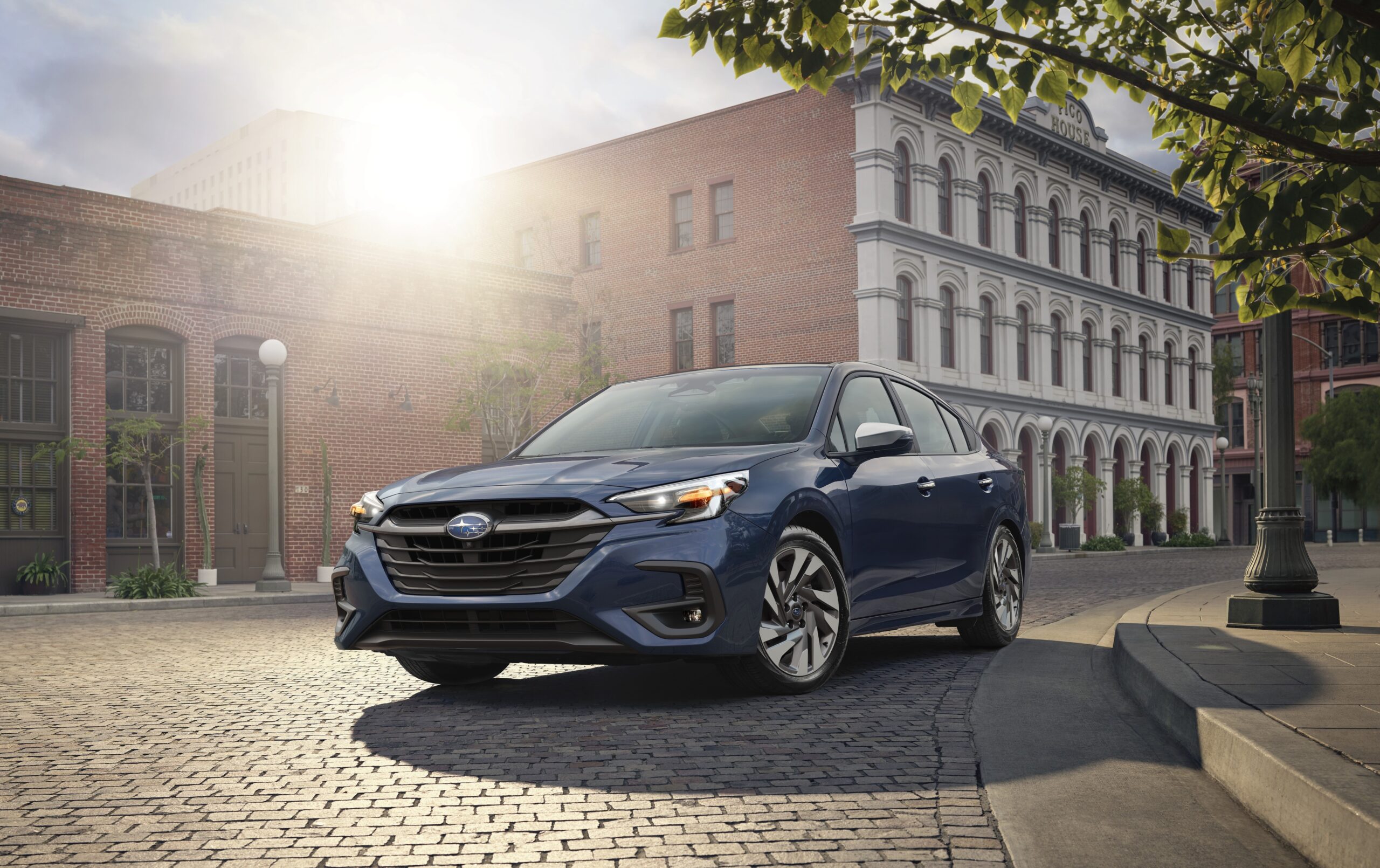
The Subaru Legacy may not be the most popular midsize sedan, but it has a dedicated set of enthusiasts. For many years, it distinguished itself from competitors with standard AWD. Only recently has the competition included that as an option, with some not having it at all. For several generations, it even gave potential buyers a sporty GT variant with a six-speed manual, perfect for those wanting a more family-friendly Subaru sedan or wagon than a WRX.
In its last two generations, the Legacy has evolved into a more conventional sedan, focusing on comfort and all-weather traction. It still drove and handled well, but was softer and less aggressive. Since the Legacy ended production in 2025, the WRX soldiers on as the sole sedan in Subaru’s lineup, complemented by the Impreza hatchback. As a result, Subaru’s lineup no longer includes a midsize sedan. However, it can easily bring one back with its Toyota partnership, just one that’s all-electric.
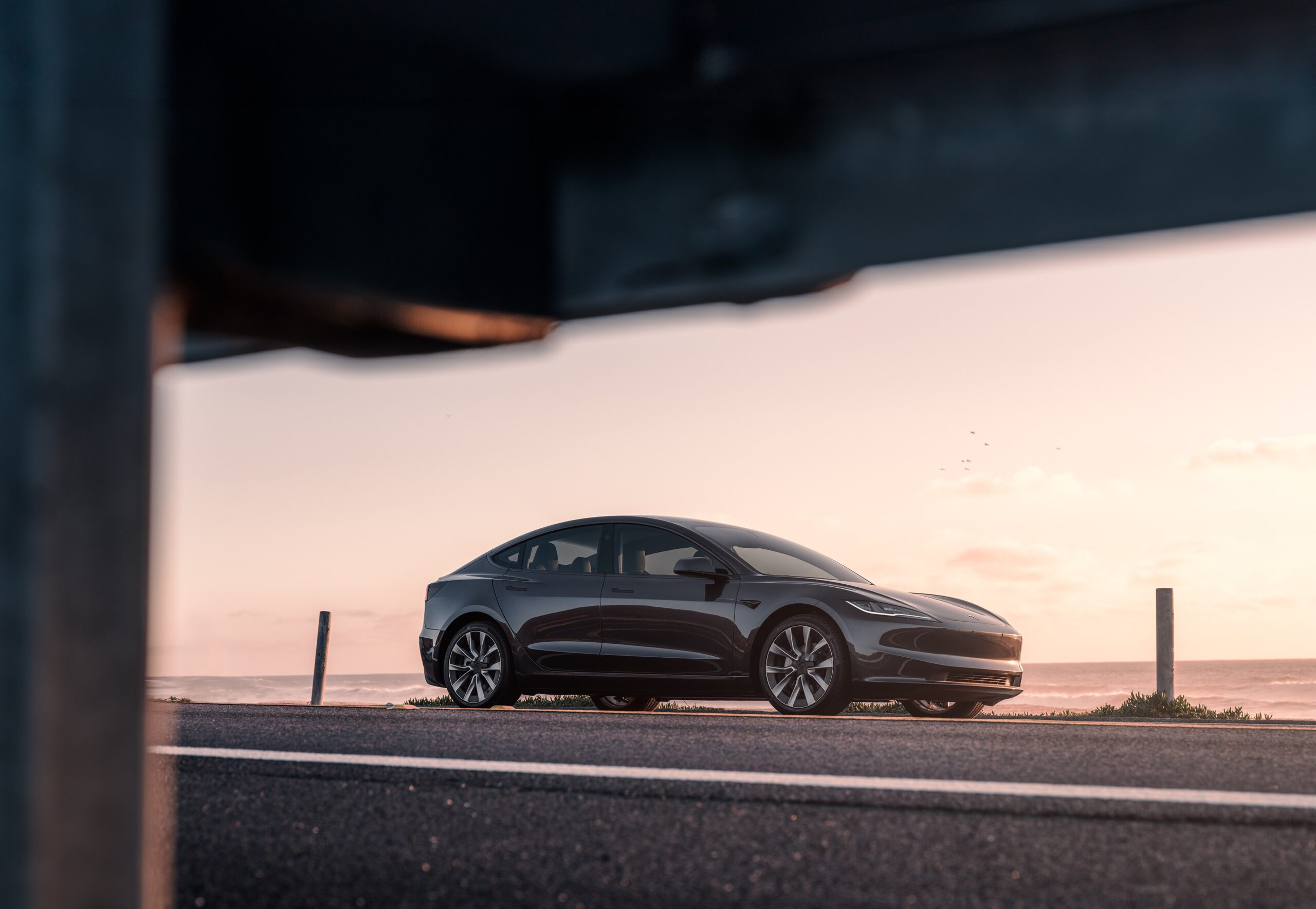
That’s right, I’m suggesting that Subaru revive the Legacy as a battery-electric sedan. With access to Toyota’s parts bin, it can easily bring one to market. Although controversial, this gives the brand a proper halo car to sit alongside the new Getaway. Most importantly, EV sedans are few and far between, especially under $70,000. With the standard Hyundai Ioniq 6 exiting the U.S., the Lexus ES, Tesla Model 3, and Mercedes-Benz CLA are the only players left. In the future, the BMW i3 and Mercedes-Benz C-class will arrive, along with a second-generation Polestar 2 (potentially). That leaves plenty of open space in the mainstream segment, which gives Subaru the edge.
So, you may be wondering what’s going through my head. Glad you asked. Let me explain why.


Subaru Legacy EV: Bring Heritage to Life with Electrification
With mainstream consumers looking towards SUVs, sedans are now more of a niche vehicle. This presents a great opportunity for automakers to reposition their sedans as either performance-oriented, luxury-focused, or a combination of both. In Subaru’s case, reviving the Legacy presents an opportunity to add a new take on a rally-inspired sporty car. Additionally, it’s a way to make the most out of the partnership with Toyota to reimagine an old nameplate for a new generation.
Use the updated TNGA-K platform, Blue Nexus motors, and LG battery packs to create a grand touring sedan that taps into Subaru’s rally heritage. Yes, the Legacy has rally DNA because it preceded the Impreza and WRX. In the early 90s, the Subaru World Rally Team campaigned the Legacy in various rally events, including the World Rally Championship, with several podium finishes.
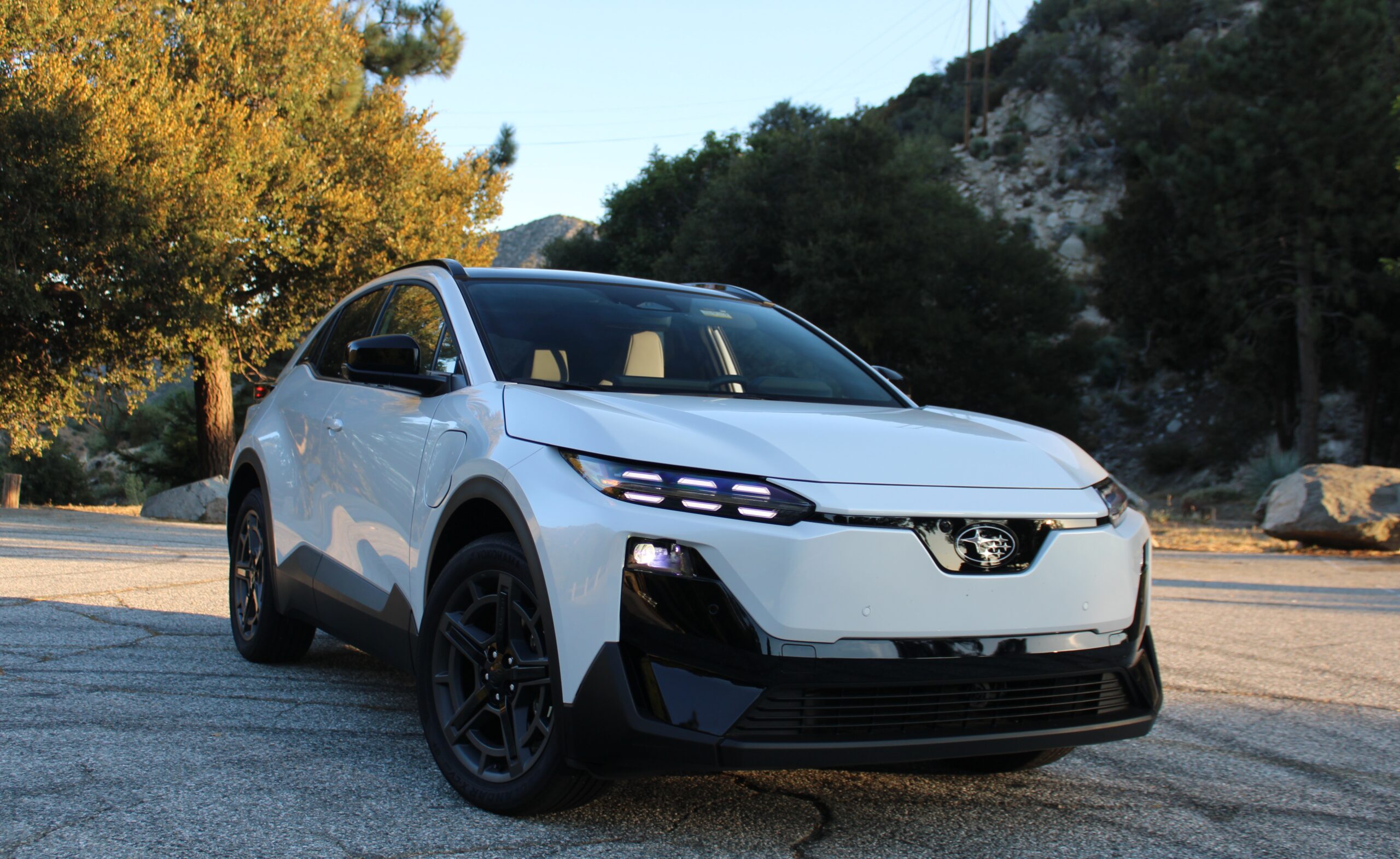
By leveraging this heritage, Subaru can add an entry in the sedan segment with the brand’s distinct flavor. This won’t be the first time it creates a car that’s distinctly on-brand using Toyota parts. The Trailseeker proves it can do just that. Making a sedan that stays true to Subaru’s DNA and brand image? Totally doable using those same components.
While Lexus goes all in on comfort with the ES, Subaru can take the sportier route with a new Legacy. Position it as a grown-up four-season sports sedan or grand tourer. That splits the difference between a big, cushy cruiser like the ES and sharper, smaller four-doors like the WRX.
Shared Parts Yet Totally a Subaru
How do you create a rally-inspired four-door GT? Take inspiration from the past and reimagine it for today by leveraging the partnership with Toyota and the parts bin it opens up. It’s a fine line balancing engaging performance and ride comfort. Think of the Legacy 2.5GT models of yore, except electric.
Since Toyota, Subaru, and Lexus EVs share common components, tuning is crucial for differentiating each vehicle. That’s how the Solterra, Trailseeker, and Uncharted manage to feel different from behind the wheel compared to their Toyota and Lexus platform mates. Standard dual-motor AWD on the Solterra and Trailseeker helps, too. On top of that, the Subaru models never go into single-motor operation on dual-motor models, adding to their distinctly on-brand driving personality.
So, how should Subaru make a hypothetical all-electric Legacy GT? First and foremost, it must come only in a dual-motor AWD configuration. All-season traction MUST come standard on any Subaru sports sedan. Additionally, that distinguishes the car from another electric sedan on the latest TNGA-K platform: the Lexus ES. Calibrating those electric motors with a more performance-oriented tune should help separate the Legacy from the more luxurious Lexus. Together with a tighter, more handling-oriented chassis, stickier tires, and a more aggressive Active Cornering Assist programming, an electric Legacy could serve as a flagship EV alongside the three-row Getaway.

Subaru Legacy: Power and Poise
Speaking of the Getaway, that has all the components necessary for Subaru to revive the Legacy as an EV. In addition to the updated EV architecture, the Getaway’s powertrain makes perfect sense for an all-season grand touring sports sedan. The 95.8-kWh battery pack provides plenty of juice and the driving range to go the distance, especially with the super-efficient new Blue Nexus electric motors with silicon-carbide inverters.
In the Getaway, the dual-motor AWD setup makes 420 hp, more than enough for a midsize GT sports sedan. Pair that with sport-tuned suspension and/or Adaptive Variable Suspension, and quicker steering, and you’ve got the formula correct. All that’s needed now is the right set of performance-oriented tires designed specifically for use in sporty EVs.
As far as driving range goes, the low-slung stance and more aerodynamic shape of a sedan help get the most out of the powertrain. Together with a lighter curb weight versus a three-row SUV like the Getaway, over 300 miles is not out of the realm of possibility, even in dual-motor AWD configuration. This is especially true with the 95.8-kWh battery pack, which already allows the three massive SUV siblings to meet or exceed that magic number, even with their boxy shape. Just imagine what’s possible with that powertrain combo in a lighter, more aerodynamic sedan.
Subaru, Toyota, and Lexus have also done a great job of keeping their EVs’ weight in check. This is a huge benefit for an all-electric Legacy because it helps nearly every single aspect of the vehicle. A lighter car means improved efficiency, better ride and handling, and quicker acceleration. Together with a decently sized battery pack, this grand touring sedan can go the distance and perform like a proper four-door sports car.
Is a Sedan Next?
Now that Subaru has completed its electric SUV rollout with the Getaway, what’s next? That we don’t know. Although the automaker hasn’t revealed anything, we think adding an electric sedan like our hypothetical Legacy EV makes sense. By positioning it as a more grown-up performance car, it stands out as a unique offering, especially if Subaru leverages its rally and motorsport roots. With Hyundai only bringing the Ioniq 6 N in limited quantities, this presents an opportunity to bridge a gap. At the same time, it gives consumers another choice beyond the Tesla Model 3.
Subaru should take this opportunity and run with it. Split the difference and introduce a sports sedan that’s engaging yet livable, more approachable, and well-appointed. It has access to an extensive parts bin and has proven it can take Toyota components and create a vehicle that’s totally on brand with them. If Subaru does that, then it has the opportunity to take a good chunk of that market share away from other brands other than Tesla. Most importantly, it gives drivers another option that isn’t an SUV, one that can highlight the Subaru brand DNA in a different format. So yes, do it, Subaru. Bring back the Legacy as an EV!