We’re revisiting the second-generation Polestar 2. I know, why am I writing another piece on a car we don’t know much about? A few reasons. I want one based on the sole teaser we got from Polestar’s February product announcement. It’s also near and dear to my heart, and it’s one of the most important cars for the brand, along with the upcoming Polestar 7. Plus, it’s great to brainstorm and develop well-thought-out projections based on how much we know!
That said, we know the least about the second-generation Polestar 2. Based on interviews with key players like Polestar’s CEO, Michael Lohscheller, and Head of Design, Philipp Roemers, we have some crucial details. The car is 7.6 longer than its predecessor, and it was developed in just 30 months’ time. These tidbits immediately hint that it’s making full use of the existing Geely Group parts bin, which includes Volvo’s. That’s not a bad thing. Far from it. This gives Polestar an extensive portfolio of top-class components to choose from. It includes 800-volt electric architectures, powerful and efficient electric motors, and more. However, this also raises a big question: What platform will the new 2 use? Let’s take a closer look and see the possibilities.

Next-Generation Polestar 2: Sharing With Another Model?
The speed at which Polestar is bringing the second-generation 2 to market impresses. At the same time, it’s clear it will share much with at least one other Volvo or Polestar model. Which one? That remains the big question. Could it be SPA2, which the Volvo EX90, ES90, and Polestar 3 already use? Like Volvo’s other platforms, this one can accommodate a wide range of models from SUVs to sedans and wagons.
What about the SPA3 platform underpinning the Volvo EX60? This architecture is already confirmed for the Polestar 7 and the next Volvo EX40, both of which will be built at Volvo’s new Slovakia facility. The next 2 could end up on SPA3, potentially making it the second vehicle to use it. However, only the Torslanda plant in Gothenburg, Sweden, can build SPA3 cars. Now, for the third option: the SEA platform. Specifically, SEA1, which underpins the Polestar 4. It’s new, but not so new that only one facility builds cars underpinned by it. Additionally, it can accommodate either a 400-volt or 800-volt electrical architecture, allowing Polestar to choose the most cost-effective option.
The best thing about these three? They’re all solid options. SPA2 and SEA1 are pretty much sorted at this point. Meanwhile, SPA3 is proving strong out of the gate with minimal software weirdness and bugs. Considering how quickly Polestar is moving towards full production, we suspect SPA2 and SEA1 may underpin the new 2. Once you take into account its larger exterior footprint, it’s clear that this vehicle shares its bones with larger models, helping give the car a roomier interior. My bet goes to SPA2, though. Just based on our Polestar 3, it has the potential to kick the 2’s driving experience up several notches.

The OG Electric Sports Sedan
No matter which platform the new 2 rides on, one thing must remain: the fun-to-drive personality. The Polestar 2 proved that you can have an exciting drive beyond straight-line acceleration. Its handling, steering, and playfulness impress, even on models without the Performance pack. Simply put, the 2 is the enthusiast car among electric sedans, prioritizing fun over outright performance. Most importantly, it remained balanced and rode well. This car did it all without feeling like you’re behind the wheel of a robot.
With that said, the new 2 has big shoes to fill. It can’t simply be just another compact sports sedan. The successor must preserve the character of the original, all while evolving the formula for the next generation. It also must return to North America. The reason? It’s the volume product. Alongside the upcoming Polestar 7, the 2 serves as the gateway to the sporty Swedish brand. These cars have the hardest role: bring new owners in and convert from other brands.
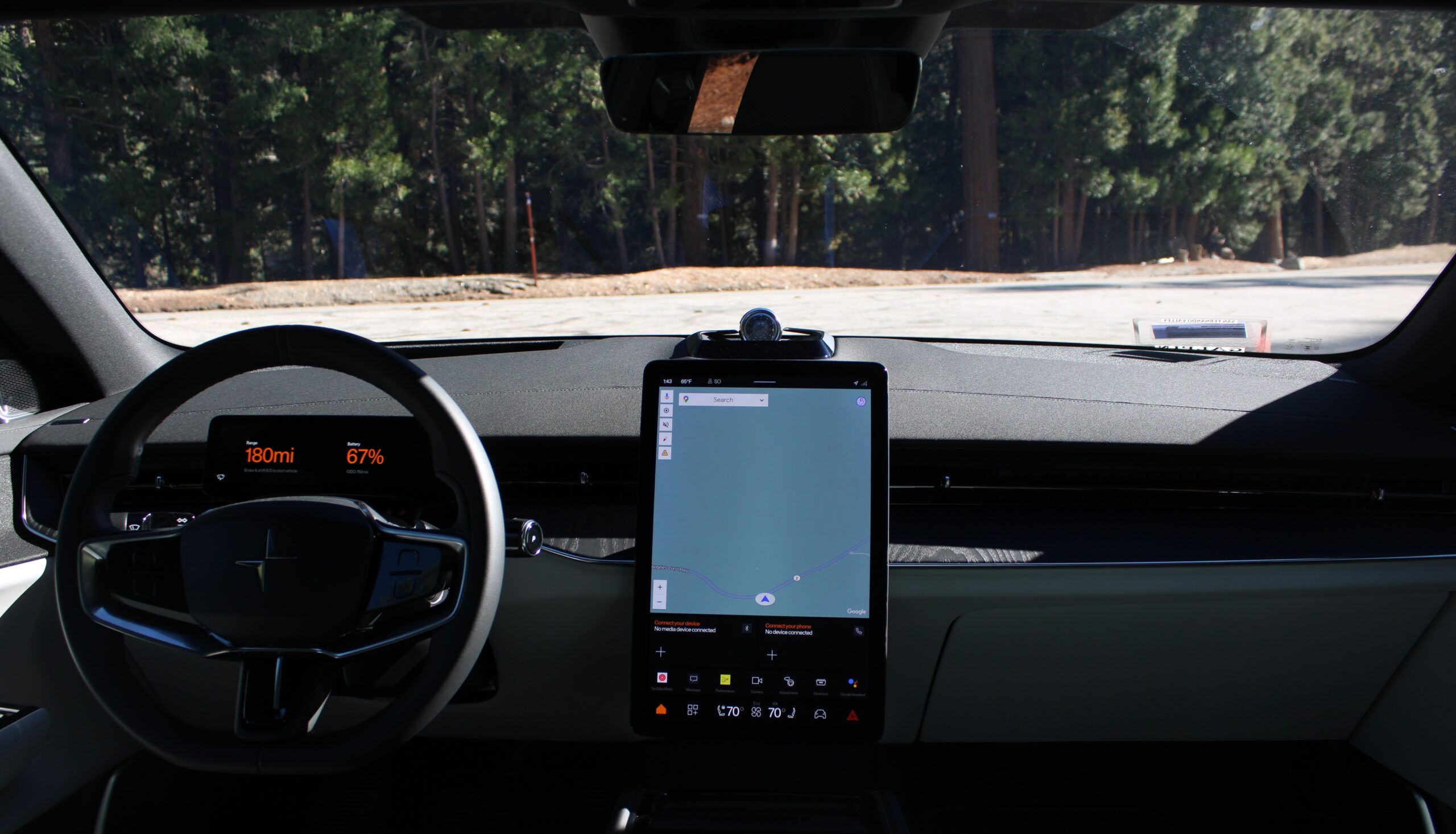
For the 2, it’s doubly tough because it’s the heart of Polestar and the most recognizable model. Yes, vehicles like the 3 and 4 exist, and the 5 has all the flashy and expensive tech. However, the 2 is the soul. It channeled Polestar’s racing heritage and performance-minded ethos best thanks to its size and agility. Spiritually, it’s also closest to the cars that Polestar raced in several Touring Car Series, which included the Volvo 850, C30, and S60. Unfortunately, we’ll never get to see it in the U.S. with Polestar leaving the U.S. market in 2027.