A hybrid option doesn’t always guarantee a hit with consumers. Just take a look at these 15 hybrids. Whether standard or available, they all faded away quietly. One thing’s for sure, though. These cars and SUVs were way ahead of their time.

Toyota Venza
Essentially, a Lexus in disguise, the second-generation Venza became one of the first mainstream Toyota models to go all-in on hybrids. Featuring standard AWD and 219 net combined horsepower, it blended efficiency and refinement so seamlessly. Unfortunately, the slight upcharge over the RAV4 Hybrid and smaller cargo space made it less attractive.

Ford C-Max
The C-Max was Ford’s answer to the Toyota Prius. Only this time it came with more power and space. Essentially a tall hatchback, the C-Max proved that efficiency and driving fun can coexist. At the same time, it eschewed the futuristic look of that era’s hybrids with its conventional design.

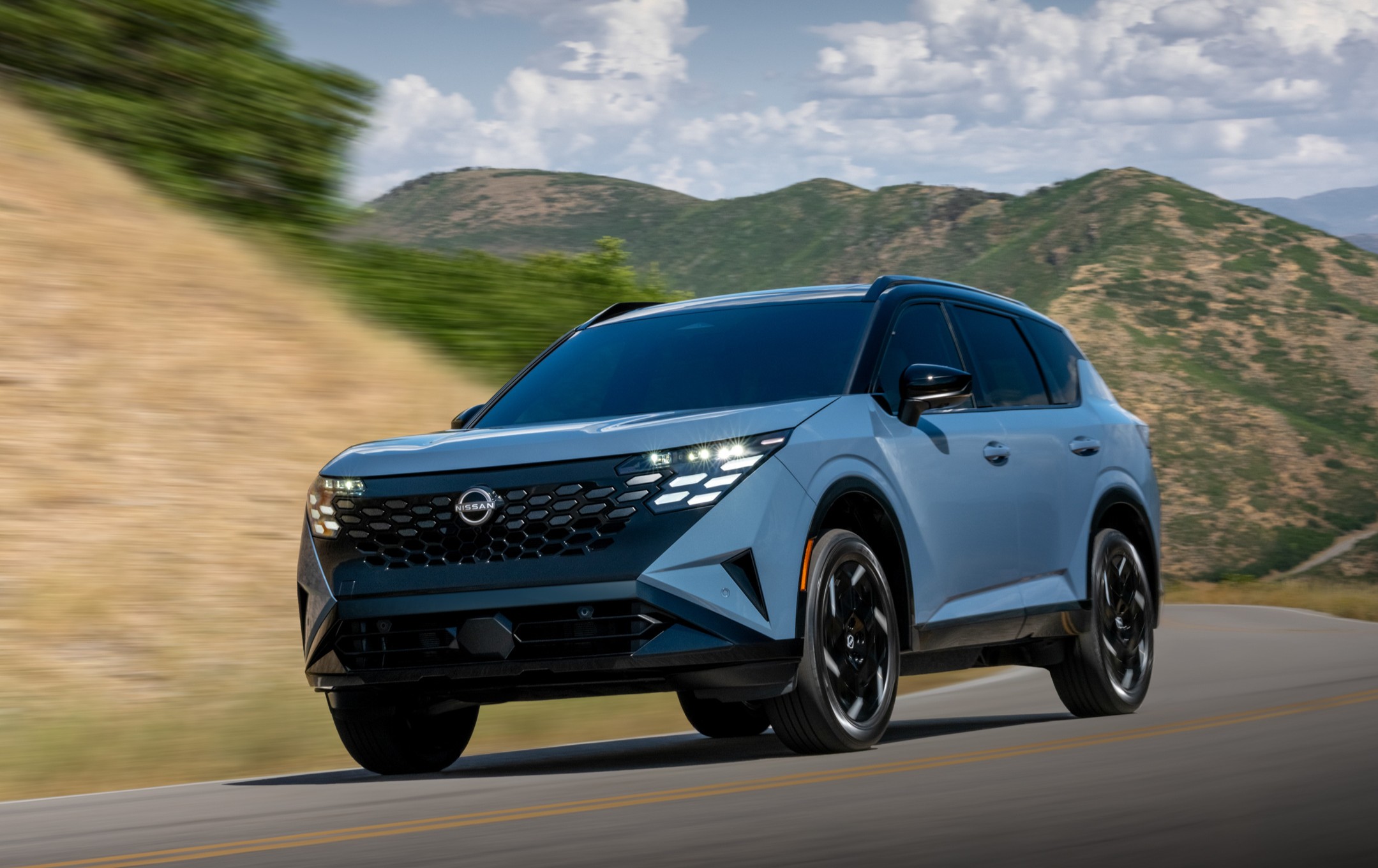
Hybrids: Nissan Rogue Hybrid
Unlike Nissan’s existing hybrids in other global markets. The Rogue Hybrid had a more traditional setup, pairing a 2.0-liter four-cylinder with a 30-kW electric motor, a lithium-ion battery, and a CVT. It made 176 horsepower, giving it slightly more power than the gas version. However, it got superior fuel economy at 33/35/34 mpg city/highway/combined on front-drive models.

Kia Optima Hybrid
The Kia Optima Hybrid took a more conventional approach to the hybrid powertrain. It sandwiched an electric motor between a 2.0-liter four-cylinder and a conventional six-speed automatic transmission. The result? Great fuel efficiency and a familiar driving experience.

Chevrolet Malibu Hybrid
Think of the Chevrolet Malibu Hybrid as a larger Volt without the plug and a smaller traction battery. It uses a variation of that powertrain, pairing the same two electric motors with a 1.8-liter four-cylinder. Most importantly, the wheels can power the wheels at higher speeds, allowing you to take advantage of its meaty 277 lb-ft of torque.

Hybrids: Ford Fusion Hybrid
The Fusion Hybrid debuted with Ford’s most recent hybrid system, which has seen many improvements over the years and a larger gas engine in certain applications. Although it gave Ford a competitor to other hybrid offerings, the Fusion didn’t exactly catch on despite its sexy exterior. What’s more, it wasn’t as efficient as its competitors, with the EPA only rating it in the low 40-mpg range across the board

Volkswagen Jetta Hybrid
Another hybrid that tried to blend conventional styling with high efficiency, the Volkswagen Jetta Hybrid also brought driving excitement. However, its EPA fuel economy ratings registered in the high-40 mpg range, which fell short of the Toyota Prius of that era. Additionally, its seven-speed dual-clutch automatic suffered from clunky operation.

Nissan Altima Hybrid
Nissan’s Altima Hybrid borrowed tech from Toyota to achieve an EPA rating of 33 mpg across the board. The big difference? It kept Nissan’s trust 2.5-liter inline-four and drove better than Priuses of that era (not a high bar, though). To make this sedan even rarer, Nissan only sold it in seven states.

Hybrids: Honda CR-Z
Honda designed the CR-Z as a spiritual successor to the iconic CR-X. This time, it modernized the formula with its IMA system, giving it excellent fuel economy. It was also one of many hybrids that offered a six-speed manual transmission. Unfortunately, the CR-Z’s performance failed to live up to its looks, resulting in it becoming one of many forgotten hybrids.

Ford Explorer Hybrid
The Ford Explorer Hybrid attempted to compete with the Toyota Highlander Hybrid, bringing a blend of power, versatility, and reasonable efficiency. Unfortunately, it didn’t make it past the refresh due to poor sales. Additionally, its fuel efficiency lagged behind its sole competitor, and it never achieved an EPA rating of over 30 mpg in any condition.

Nissan Pathfinder Hybrid
It’s best to think of the Nissan Pathfinder Hybrid as a mild hybrid because it can’t operate in all-electric mode in any scenario. At 250 hp and 243 lb-ft of torque, its output was similar to the gas Pathfinder at that time, but it got a nice boost in efficiency at 25/28/26 mpg according to the EPA. The SUV also featured a unique engine: a supercharged 2.5-liter four-cylinder.

Volkswagen Touareg Hybrid
The Volkswagen Touareg secretly offered impressive performance. A 7,700-pound towing capacity, 380 horsepower, and 428 lb-ft of torque. This SUV proved that hybrids aren’t just about using less fuel. It can also be used to boost performance.

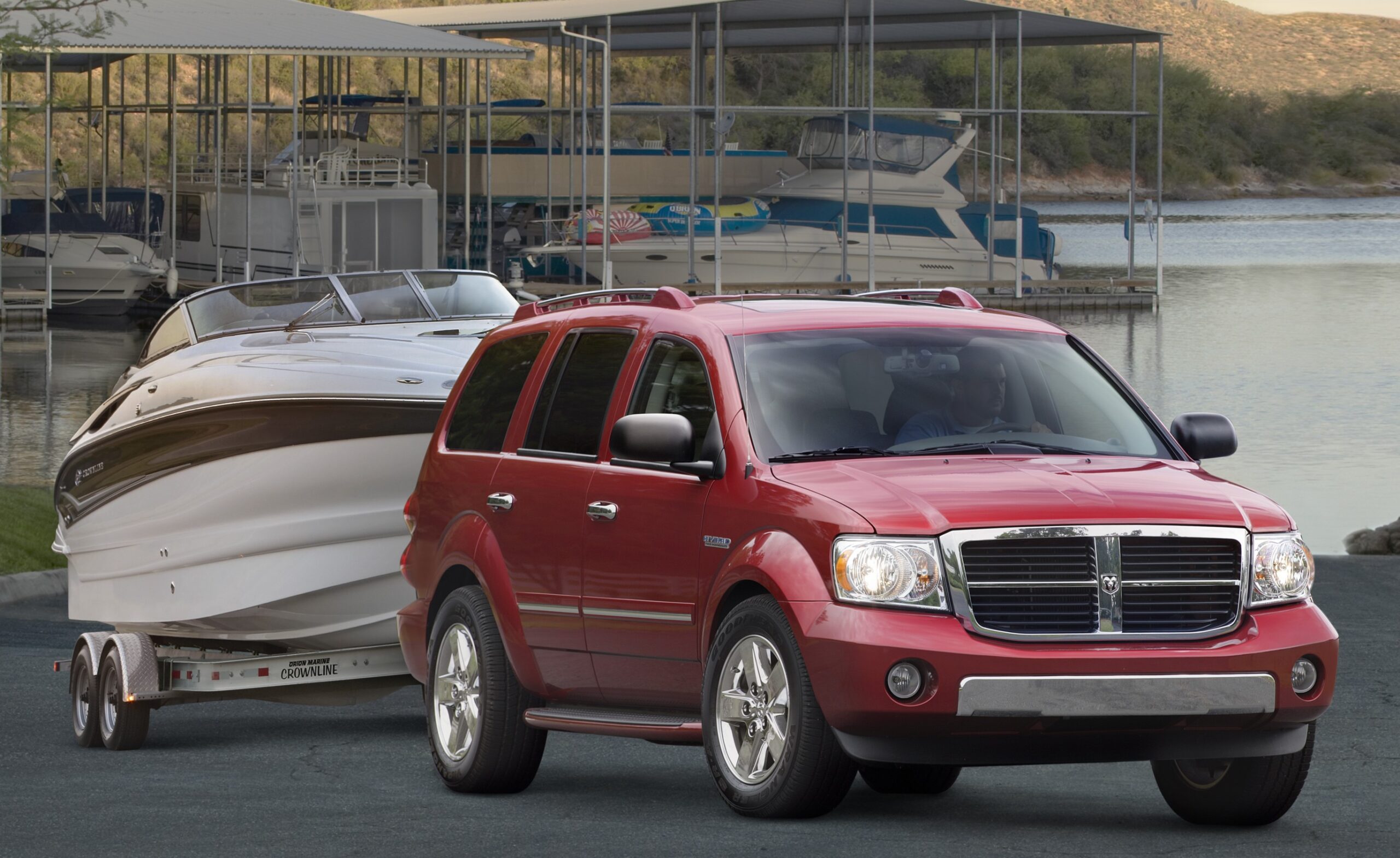
Hybrids: Chrysler Aspen/Dodge Durango Hybrid
One of the rarest hybrids around, the Chrysler Aspen and Dodge Durango Hybrids came and left pretty much unnoticed except by the nerdiest or car nerds. Chrysler co-developed the setup with BMW, General Motors, and Daimler to extend the HEMI V8’s shelf life. As for fuel economy? 20/21/22 mpg city/highway/combined. The equivalent Durango is 1 to 2 mpg thirstier, depending on the configuration

Toyota Avalon Hybrid
The Toyota Avalon Hybrid enhanced the road manners of this large sedan, making it smoother and quieter. Although it had less power than its V6 counterpart, the Avalon Hybrid’s instant torque and stellar efficiency made it a great cruiser and road trip vehicle.

Hybrids: Subaru Crosstrek Hybrid (2013-2016)
Subaru’s first foray into hybrids can be best described as a toe in the water. The first Crosstrek Hybrid kept it simple with a small battery and a low-powered electric motor. Sure, the hybrid had higher EPA-estimated MPG ratings than its gas variant, but it only bumped it up a few ticks.
One thought on “15 Forgotten Mainstream Hybrids”
Comments are closed.