In the first part of our electrified powertrains, we take a look at hybrids! As their popularity increases, we take a look at automakers’ different hybrid approaches to better understand how they work. Let’s dive in now!
Among electrified powertrains, hybrids are the most accessible because you don’t need to change any habits. You fill it up just like a pure gas car. No, you don’t need to charge it. The system uses a mixture of regenerative braking and engine power to recharge the lithium-ion traction battery.
How many types of hybrid systems are there? A few, so let’s take a look!
Electrified Powertrains 101: Parallel Hybrid
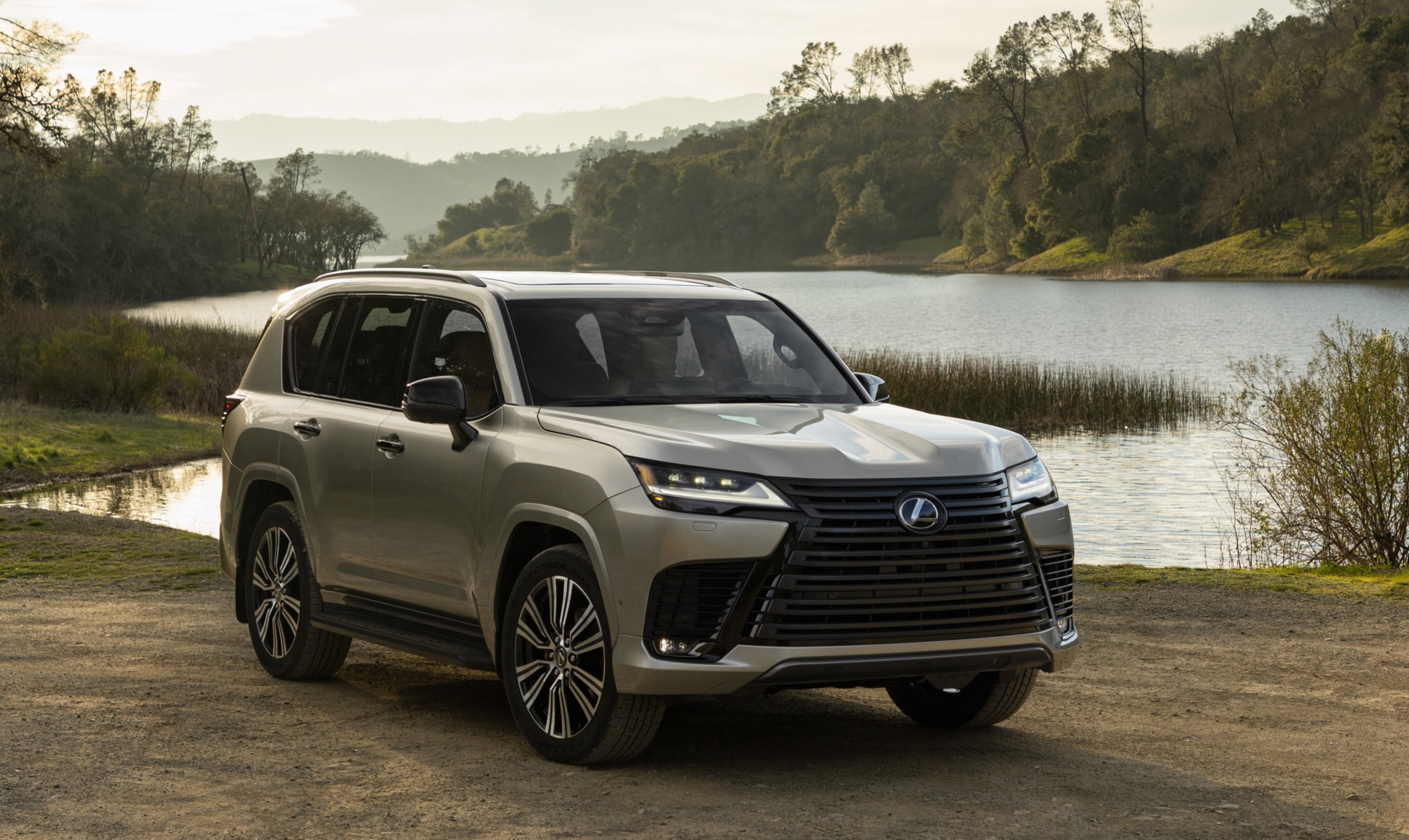
The parallel hybrid is the closest to the traditional powertrain setup. It combines an engine, transmission, electric motor, and a small lithium-ion battery. In most applications, the electric motor is sandwiched between the engine and transmission. The Hyundai Motor Group’s hybrid systems, as well as Toyota’s i-FORCE MAX and Hybrid MAX setups, all employ this setup. Certain parallel hybrids also ditch the torque converter, relying on the electric motor’s instant torque to help smooth shifts. However, applications like Toyota’s i-FORCE MAX powertrain retain the torque converter for added refinement and ruggedness in truck or body-on-frame vehicles.

Electric Motor Power First: Series Hybrid
For those wanting the driving feel of a full EV, but still can fill up like a conventional internal combustion vehicle, look for a series hybrid. Think of this as an EV with an engine powering a generator to create electricity, which then charges a battery that helps run the electric motor. As a result, series hybrids eschew conventional transmission because the engine can’t turn the wheels. This setup is found in other global markets, specifically vehicles with Nissan’s e-Power system and Mazda’s MX-30 R-EV. The former arrives in North America in late 2026 on the 2027 Rogue.
Electrified Powertrains: Series-Parallel Hybrid
Also called a power split hybrid, the series-parallel setup combines the best of a parallel and a series system. As a result, the internal combustion engine can turn the wheels on its own or act as a generator to create electricity that powers the battery and electric motor. This system also allows the engine and electric motor to work in tandem to motivate the vehicle.
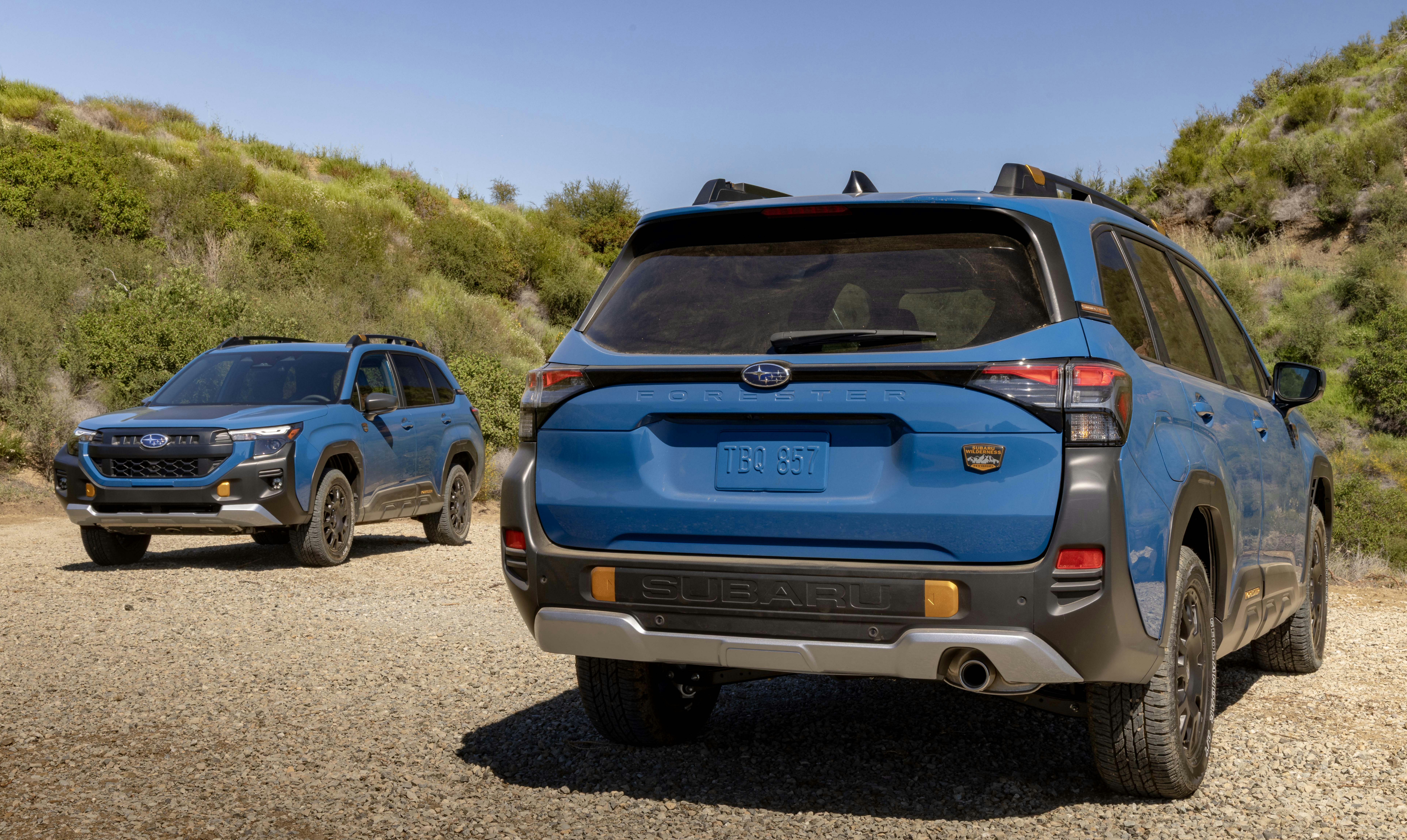
In most applications, the series-parallel hybrid makes use of a planetary gear set instead of a conventional transmission. This is NOT a CVT. It’s a single gear with a sun gear in the middle and four to five smaller planetary gears around it. The most common application of this is the Toyota Hybrid System, which is now in its fifth generation for the standard setup, and sixth in the plug-in hybrid configuration (more on this later). Ford, Subaru, and Stellantis also use this setup on several vehicles, namely the Maverick compact truck, Forester and Crosstrek Hybrid models, and the latest generation of the Jeep Cherokee. The Subarus and Jeep even source parts from Blue Nexus just like Toyota!
This series-parallel configuration can also be tuned to have an operational bias. For instance, Honda’s two-motor hybrid system prioritizes series operation where the engine powers a generator that directly feeds electricity to the electric drive motor. However, unlike the Nissan e-Power setup, Honda added a lockup clutch that allows the engine to directly turn the wheels without a transmission of some kind. Mitsubishi’s plug-in hybrid system also has this operational bias, with electric motors that get power exclusively from the traction battery. Additionally, a clutch pack allows the engine to drive the wheels, just like in Honda’s system.

Electric Powertrains 101: Plug-in Hybrid
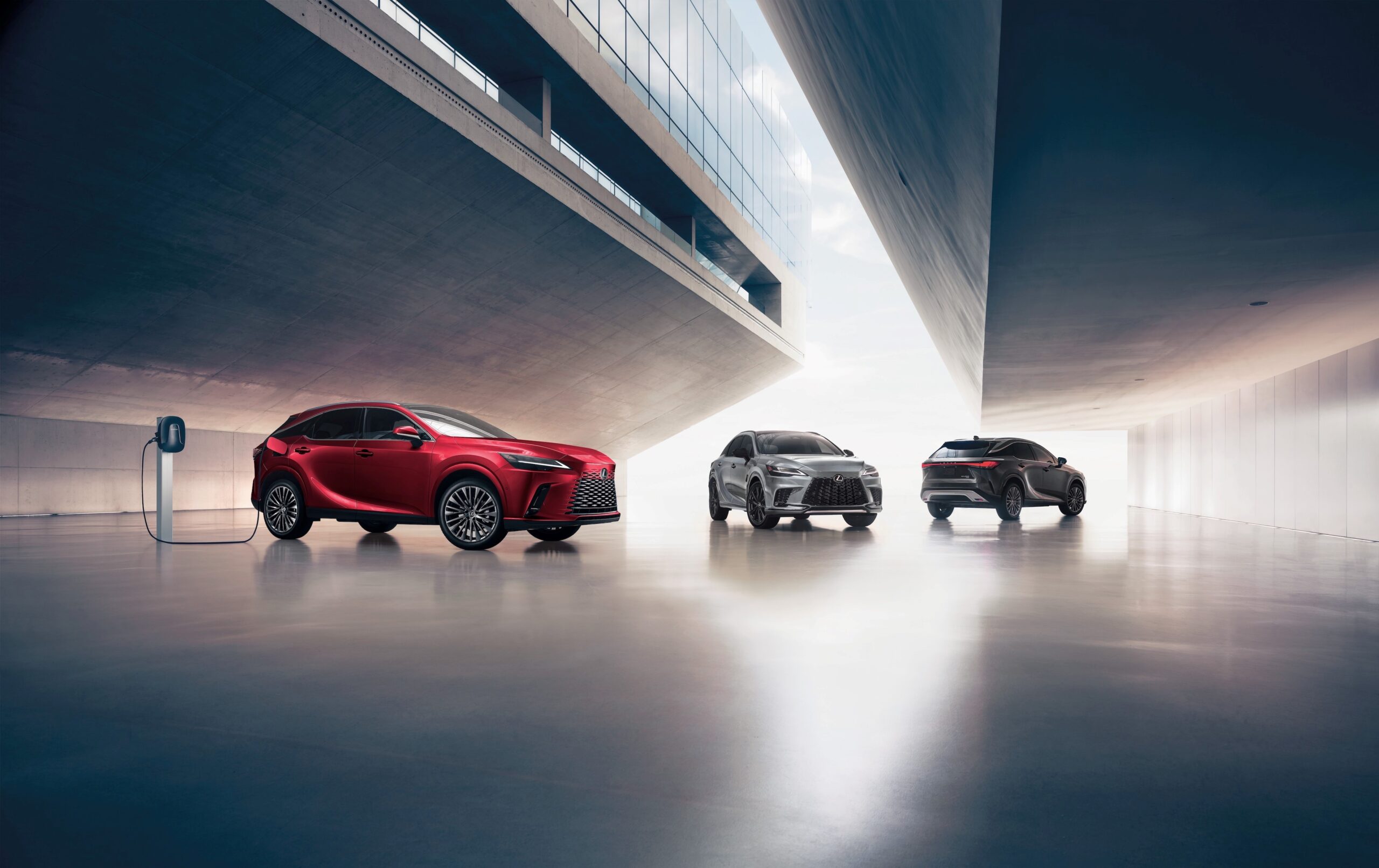
Looking for the ability to drive in all-electric mode for short distances and the ability to fill up with gas? Choose a plug-in hybrid. These take the standard hybrid setup and add a higher-capacity traction battery. This allows for more powerful electric motors and the ability to travel in all-electric mode for a set distance. Most vehicles can typically go 20 to 40 miles before the gas engine kicks in. However, some models like the Toyota RAV4 Plug-in Hybrid and certain Mercedes-Benz plug-in hybrids have an EPA-estimated all-electric driving range rating of 50 miles or more.
Plug-in hybrids also feature an onboard charger, typically 3 to 11 kW. These allow owners to plug the car into a conventional wall outlet, a 240-volt outlet such as a NEMA 14-50, or a professionally installed hard-wired home charger. Certain models like the Mitsubishi Outlander PHEV, Toyota RAV4 Plug-in Hybrid, and Range Rover models have level 3 DC charging capability. However, we don’t recommend using these to charge plug-in hybrids. Why? You can easily charge the battery to full at home, especially if you still have a gas engine to fall back on. Additionally, the 10 to 80% charge typically takes 30 minutes under ideal conditions. That’s not worth your time when considering most plug-in hybrids’ batteries have a usable capacity of less than 30 kWh.
EREV? What’s That?
Extended Range Electric Vehicle. That’s what EREV stands for. It’s a type of plug-in hybrid with a massive traction battery, typically similar in size to a short-range battery-electric vehicle. That means around 30 to 50 kWh or so. Some EREVs, like the upcoming Jeep Grand Wagoneer variant, use a massive 92-kWh pack. Where EREVs differ from a typical plug-in hybrid is in their operation. These are technically series hybrids on steroids. The gas engine powers a generator, which produces electricity that charges the battery, then powers the electric motor to turn the wheels. You can charge it at home just like other plug-in hybrids or use a DC fast charger.
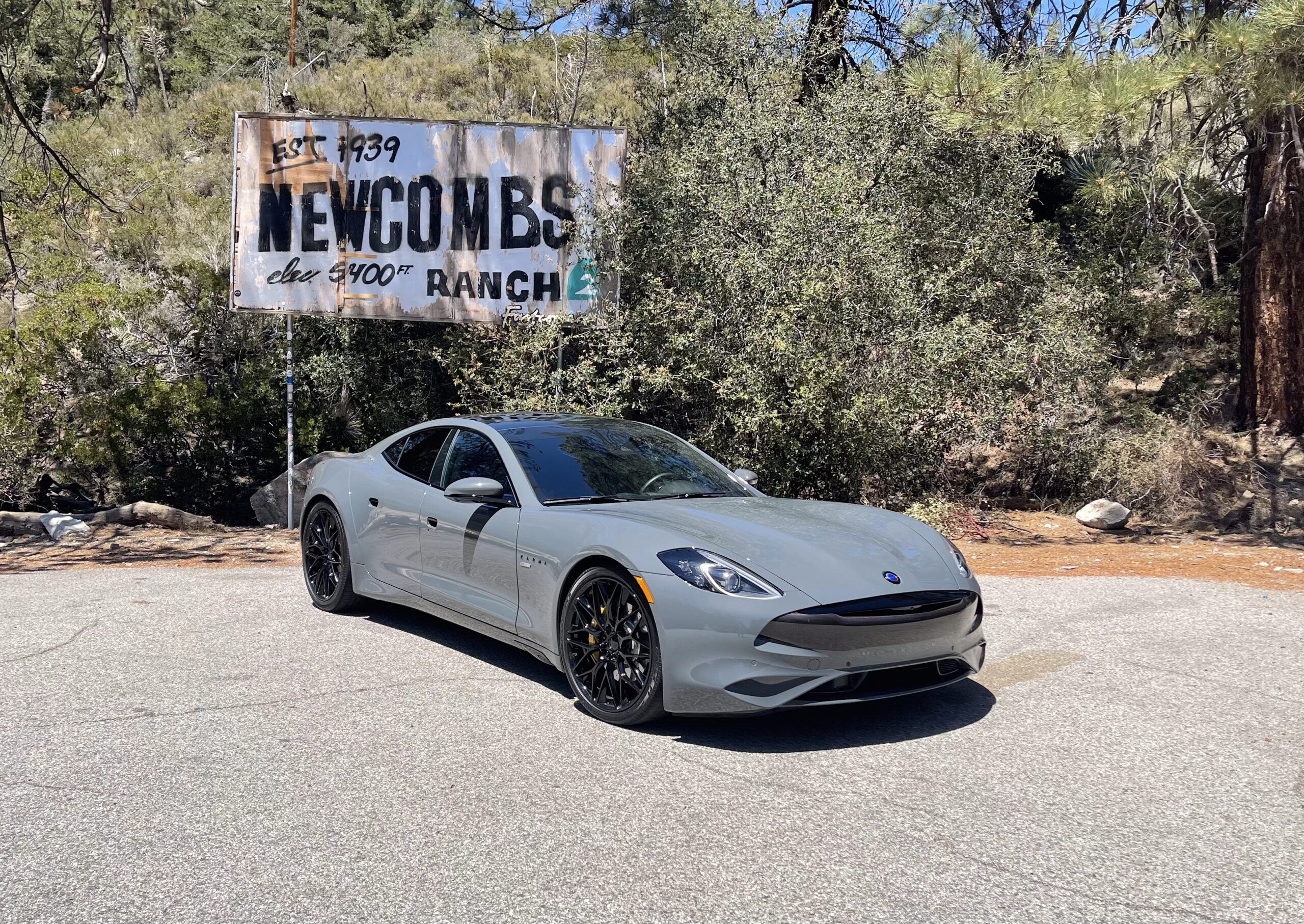
Early EREVs include the Karma GS-6 (formerly Fisker Karma) and the BMW i3 REx. These cars stayed in all-electric mode until the juice ran out, then the gas engine kicked in to recharge the battery. Some even included a mode that forces the car to maintain the current state of charge. That’s just one of many ways you can control the powertrain in an EREV, something it shares with traditional plug-in hybrids.

A Mild Hybrid? What’s That?!
Now for the elephant in the room…the mild hybrid. What is this? Why is it mild? This is a gas engine augmented by a small auxiliary battery and an electric motor acting as a starter-generator. The former is typically a 48-volt unit. In most applications, the starter-generator replaces the traditional starter motor. It provides supplementary power to the engine, allowing it to operate more efficiently. Additionally, it can smooth out the operation of the engine start/stop system, provide regenerative braking, and provide torque fill to create linear power delivery.
In most mild hybrid applications, the electric motor cannot motivate the vehicle on its own. However, newer setups from Mercedes-Benz, Mazda, and BMW buck that. The latest CLA, GLB, and GLA have a mild hybrid powertrain option that operates more like a full hybrid because their electric motors can power the car on their own. As a result, the 48-volt setup doesn’t always mean it’s a mild hybrid. With these new powertrain advancements, the lines are blurred.
Electrified Powertrains: Something For Everyone
It’s no secret that there are hybrids for everyone. Want one that feels more like a conventional gas car? Grab a vehicle equipped with a parallel or series-parallel setup. Looking for the opposite and crave the instant power delivery and EV-like feel? Go for a series hybrid or an EREV. In search of something that can drive longer without using the gas engine for several miles? Plug-in hybrids and EREVs to the rescue.
No matter your taste, automakers have something for you. As more vehicles transition to electrified powertrains, hybrids lead the charge as we continue moving forward toward electrification. They’re the perfect stepping stone for those that don’t have easy access to charging or want added operational versatility.