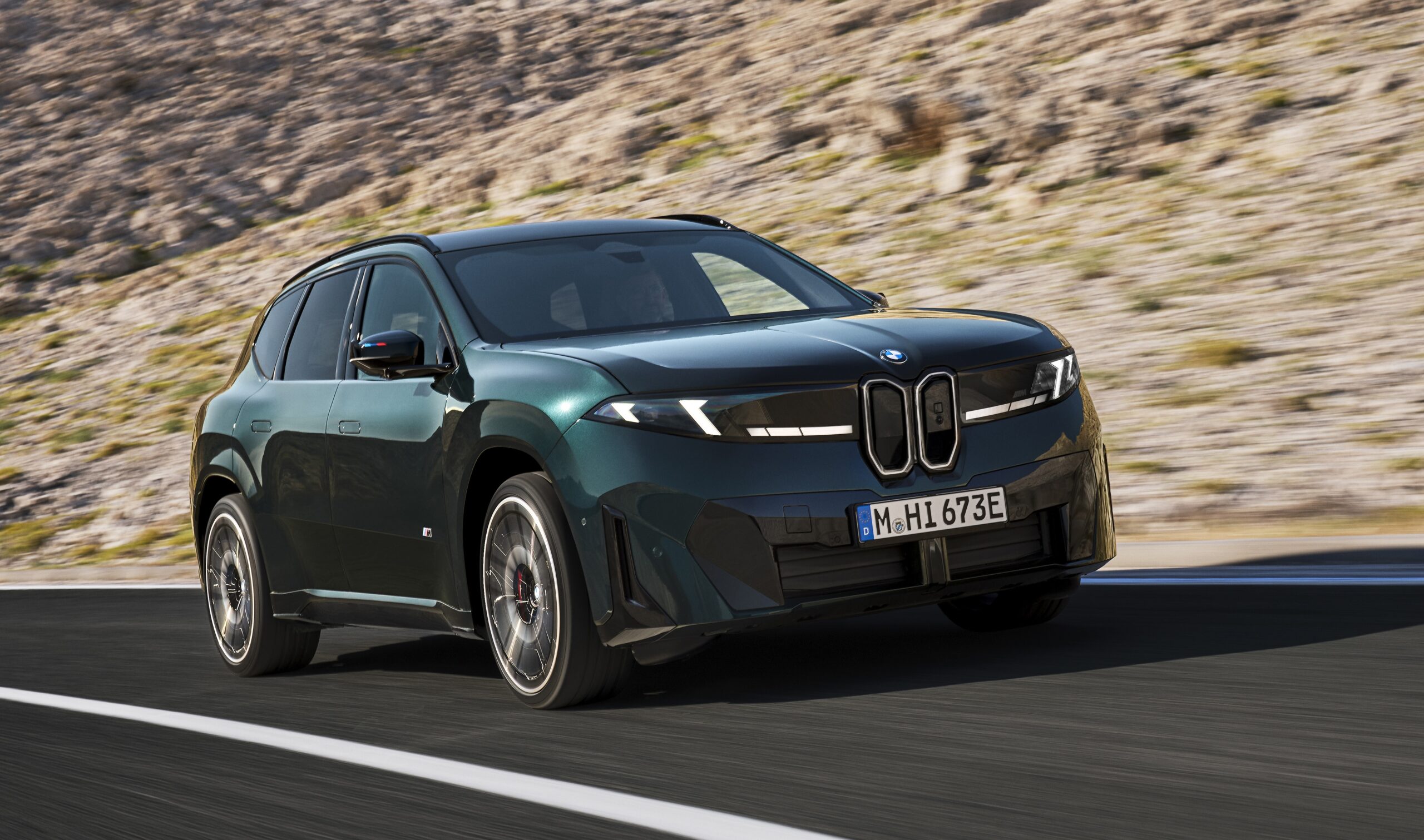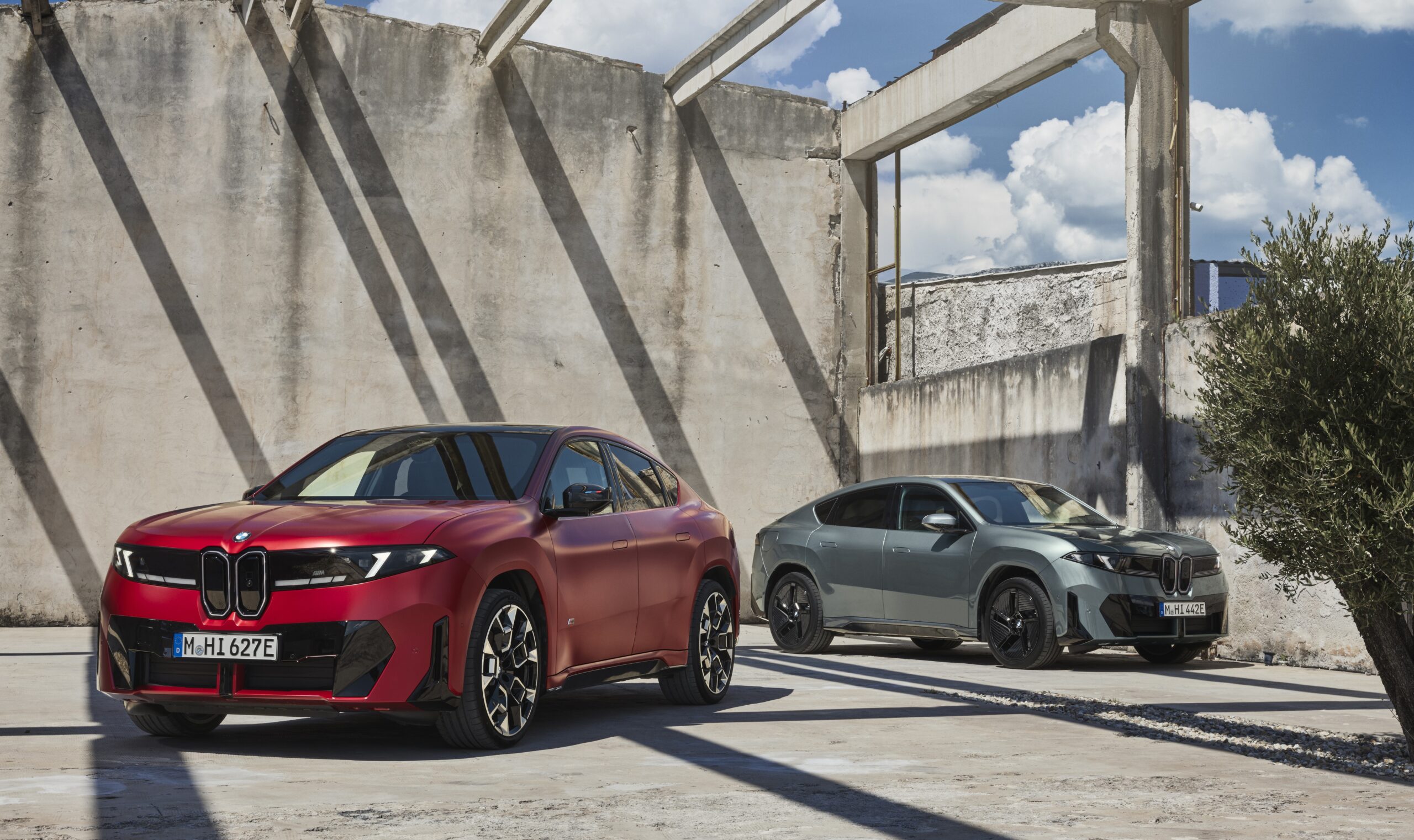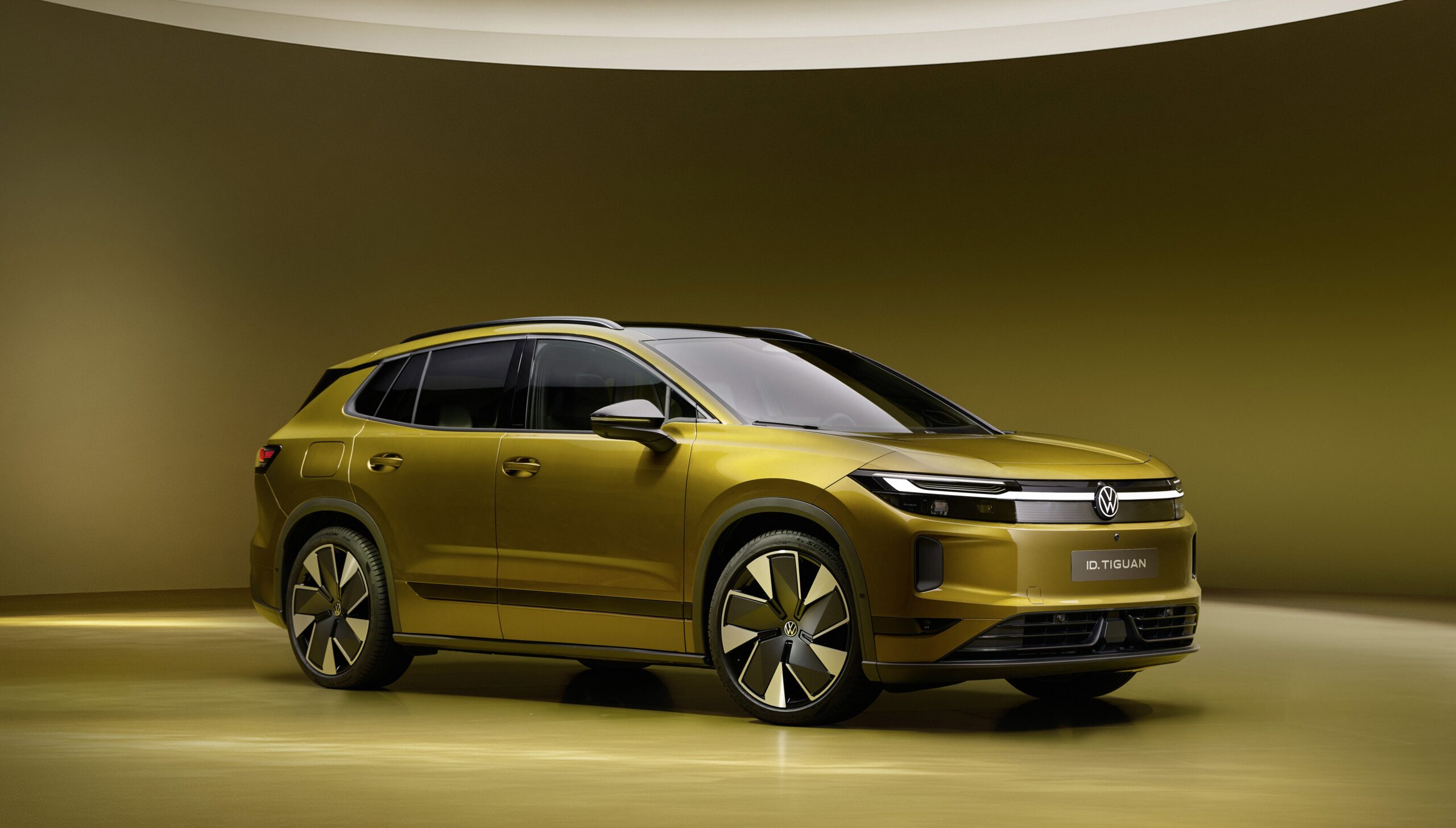
Volkswagen has revealed the ID.4’s successor: the ID Tiguan. Built on the MEB+ architecture, it follows the same formula as its internal combustion sibling: class-above looks and features. Although the exterior still has hints of the ID.4, it looks clean and fresh thanks to its new front and rear fascia. Volkswagen even changed the ID Tiguan’s side windows, which now look similar to the Audi Q4 e-tron.
Inside, the Volkswagen ID Tiguan got massive upgrades with plenty of physical buttons and a new infotainment system. The former features a 10-inch digital cluster and a 15-inch touchscreen. Additionally, you can opt for a 12-inch passenger display for the first time. You can also customize the digital cluster with new themes, like a retro view that takes inspiration from the fourth-generation Golf’s blue-red gauges. Other retro options include the first- and second-generation Golf models, the Beetle, first-generation Tiguan, and the Race Touareg. Available options include a panoramic sunroof, ventilated front seats, and a Harman Kardon premium audio system.

A full suite of driver assistance features also comes standard. Additionally, Volkswagen added Connected Travel Assist to the ID Tiguan. This allows for assisted lane changes on the highway and enables the vehicle to automatically stop at red lights. Meanwhile, Digital Key is available, allowing owners to use their smartphone as a key.
At launch, the ID. Tiguan offers either a 58-kWh or a 77-kWh battery. The former comes only in a 188-hp RWD configuration. Choosing the latter increases output to 281 hp with RWD or 295 hp with dual-motor AWD. When it arrives in the North American market, likely in late 2027, expect the ID Tiguan to have at least 300 miles regardless of the model. However, expect only the larger 77-kWh battery option to come to the North American market.
Source: Volkswagen