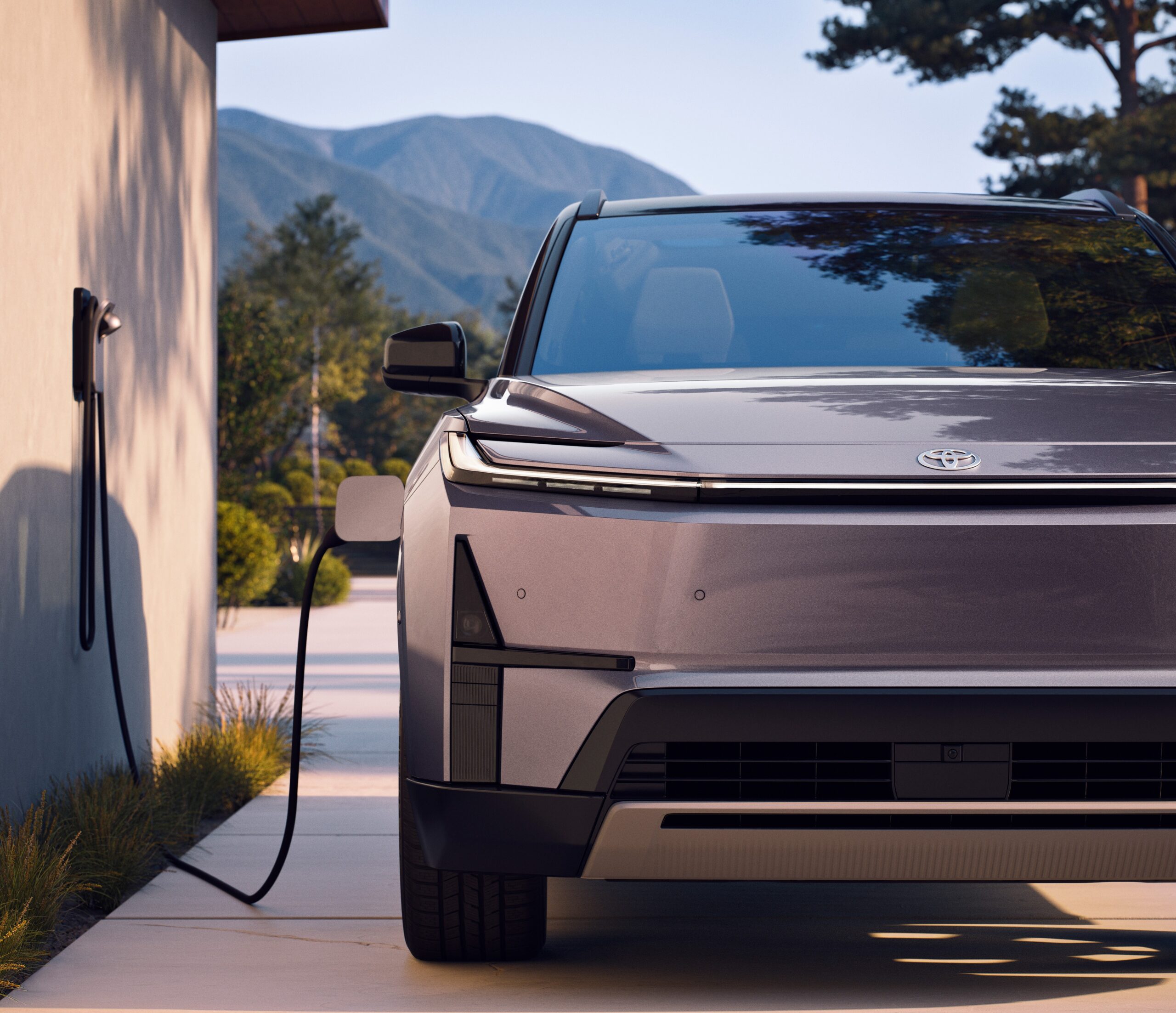
These days, Toyota, and to a certain Subaru approaches everything cautiously. These brands stick to what they know and execute that beautifully, making constant little improvements along the way. Kaizen, which means change for the better or continuous improvements cemented Toyota’s hybrid leadership and Subaru’s all-weather dominance. This same approach helped them become the automotive giants they are today. Although they came late to the battery-electric vehicle space with middling products that didn’t quite have the driving range, this kaizen spirit allowed them to catch up relatively quickly.
Unlike some of their chief rivals, Toyota and Subaru did not cut corners. They did things the right way with their latest EVs. As a result, both brands now have a strong EV portfolio. While they don’t have fancy tech like an 800-volt architecture yet, Toyota and Subaru make good use of their shared parts bin. Most importantly, they focused on efficiency to increase the driving range of their vehicles. That means they don’t need to use oversized batteries to achieve 300 miles or more. This approach is the way to go. It’s that ensures costs are kept in check without turning the vehicle into a cost-cutting exercise.


Toyota EVs: All About Sipping Electrons
As owners of a 2023 Solterra, we know quite well how Toyota and Subaru cautiously dipped their feet into the EV segment. Huge battery buffers and modest power outputs highlight this, along with a driving range between 196 to 252 miles depending on the model. However, that did not mean both automakers failed to learn. In fact, they did so quickly, as evident in the improved charging performance of the 2024 to 2025 Toyota bZ4X, Lexus RZ, and Subaru Solterra.
The 2026 models further highlighted how quickly Toyota and Subaru learned from their mistakes. More power, longer range, and new functions, such as battery preconditioning, highlighted all the changes for the three lead vehicles. Their smaller and larger siblings benefited as well, making them compelling choices in their respective segments.
Most importantly, the battery sizes remained modest. Most vehicles use a 74.7-kWh battery, while the Lexus RZ 550e F Sport, Highlander, and Getaway have a 77 kWh pack. The largest battery available? A 95.8 kWh unit on the Highlander and Getaway. When compared to their key segment competitors, Toyota, Lexus, and Subaru EVs have smaller batteries, yet manage to achieve similar or better driving range.


The Right Formula
With the arrival of the Highlander, Getaway, and Lexus ES, Toyota and Subaru complete their respective EV lineups. Moreover, it highlights this partnership’s strength and specifically, Toyota’s electrification experience. Yes, it dragged its feet with EVs, but this may have been for the better. It now has a properly efficient powertrain that manages to achieve great driving range with a modestly sized battery.
Now that the ghosts of bZ4X and the original Solterra have left the building, Toyota and Subaru have a promising future in the EV segment. Although they’ve yet to move to an 800-volt electrical system, their latest EVs show that a properly executed 400-volt setup can work well while keeping costs down. Expect things to get even better thanks to the kaizen approach. These new EVs built a strong foundation for the future, and they’re only getting better as Toyota and Subaru continuously improve on them.