Toyota unveiled the next evolution of its hybrid system late last month. This new powertrain coincides with its multi-pathway approach, which uses one platform for gas, hybrid, plug-in hybrid, and battery-electric vehicles. Unlike the existing units, Toyota designed this new setup with electrification in mind from the start.
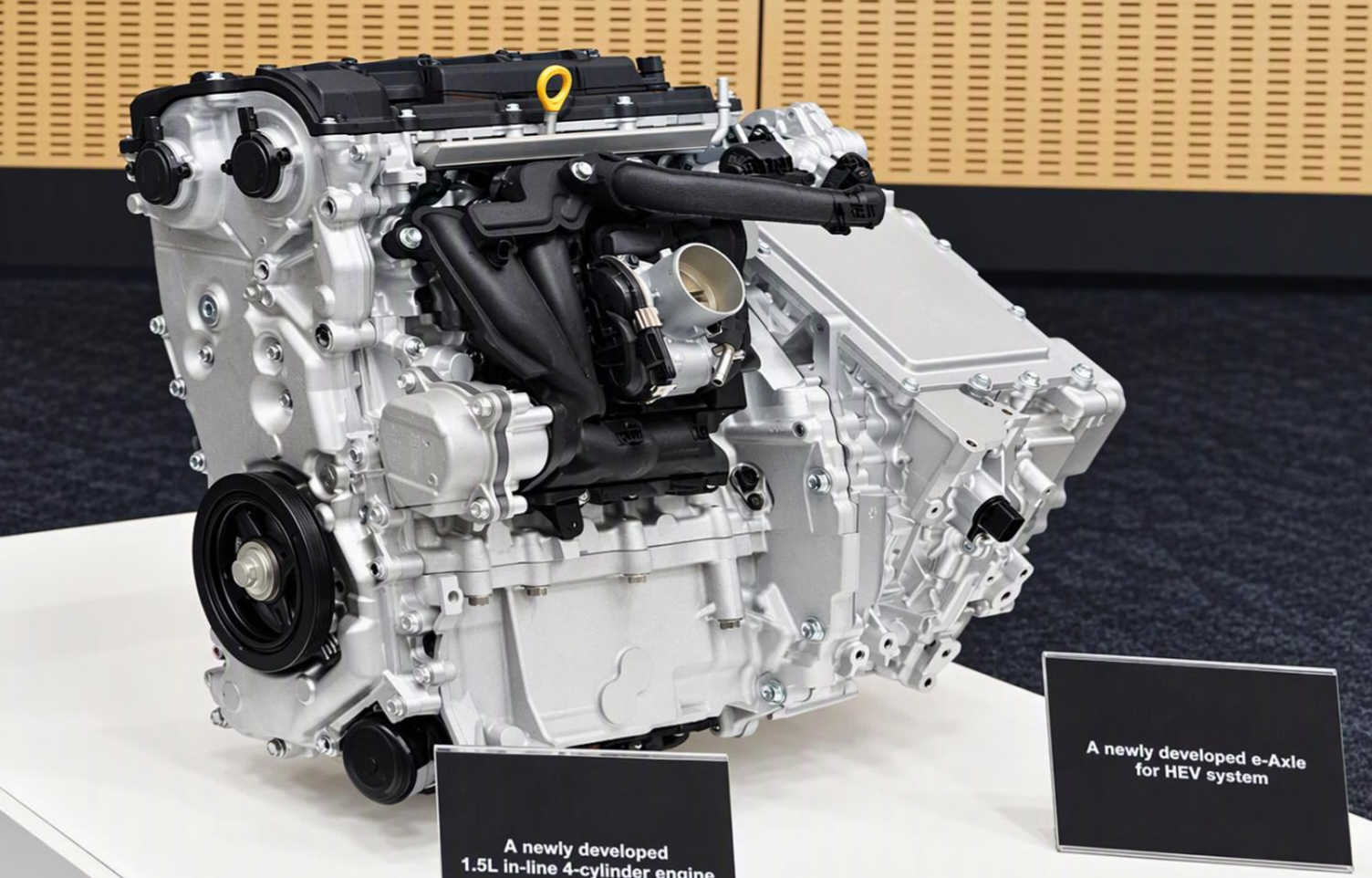
Key to Toyota’s latest hybrid system is a new 1.5-liter four-cylinder engine. This new mill was designed for use in a hybrid from the start in both naturally aspirated and turbocharged forms. The former works together with lighter, more compact electric motors and power control units. By doing so, this helps further minimize losses across the entire system. Additionally, the gas engine features lower mechanical friction, improved thermal management, reduced electrical losses, and lower aerodynamic drag. Together, these improvements aim to improve fuel economy by 15 percent.
This new hybrid system works together with Toyota’s new multi-pathway platform. The Japanese automaker designed it to seamlessly work with all kinds of powertrains without sacrificing performance. Additionally, it preserves the interior space, allows for a lower hood height, and has fewer design constraints. Most importantly, it maintains economies of scale and allows manufacturing to seamlessly adjust the powertrain mix as needed.
We suspect this powertrain and platform will debut with the next-generation Corolla. Based on the engine’s size and the focus on keeping everything compact, this setup looks like a proper fit for the iconic compact car. However, expect it to see increases in power and efficiency improvements, especially with Toyota’s focus on minimizing losses throughout its powertrain lineup.
Expect more variants of this hybrid powertrain to arrive in the future. This is just a first salvo from Toyota’s new multi-pathway approach. We’ve yet to see its next battery-electric and plug-in hybrid system, both of which should benefit from the latest advancements.
Source: Toyota